
Industrial SSD Solutions for Automation & Robotics
Reliable industrial storage for factory automation, industrial PCs, robotics and smart manufacturing systems.
Reliable Storage for Continuous Industrial Operation
Long Lifecycle Supply & Controlled BOM
Custom SSD Solutions for OEM Projects
Industrial Automation Storage Challenges
Industrial automation systems depend on reliable data storage to keep production processes, machine control and equipment monitoring running smoothly.
Unlike consumer computing devices, industrial PCs, PLC-based systems and automation equipment may operate continuously in environments with temperature fluctuations, vibration and intensive data workloads.
Choosing the right industrial SSD helps equipment manufacturers maintain system stability, data integrity and long-term product availability.
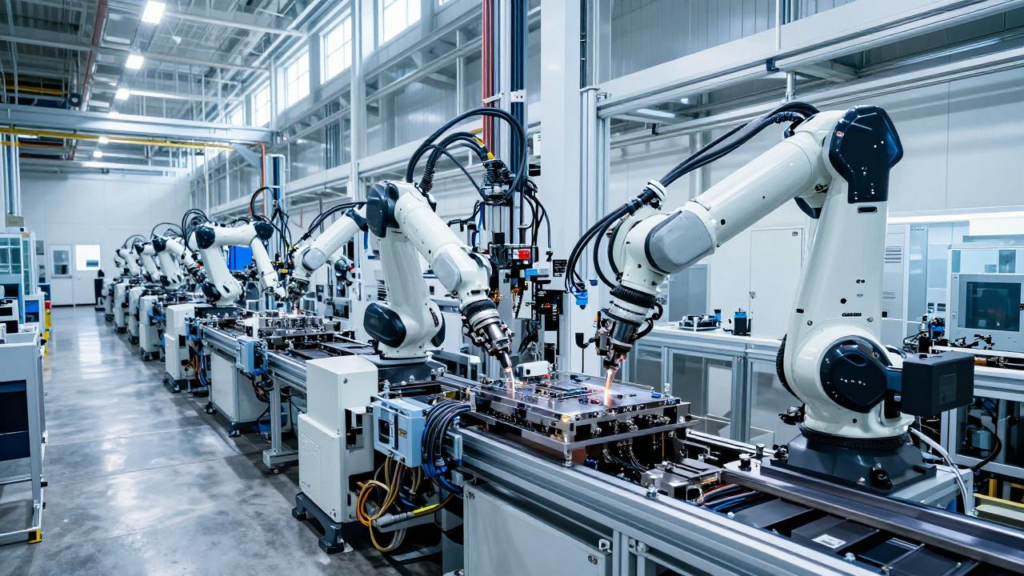
Industrial Automation Storage requirements
Smart manufacturing systems generate and process operational data across industrial PCs, automation controllers, machine vision platforms and connected equipment. The storage device must support the host interface, workload, operating environment and lifecycle requirements of each system.
24/7 Operation
Stable storage for continuous industrial workloads.
Environmental Reliability
Operating temperature options for demanding environments.
Data Integrity
Power Loss Protection Support to help protect data integrity during unexpected power interruptions.
Long Product Lifecycle
Consistent components and availability for long-term equipment programs.
Industrial SSD Design for Automation & Robotics
Industrial automation equipment may operate continuously under temperature fluctuations, mechanical vibration, and demanding workload conditions.
Indudisk offers industrial SSD configurations designed around application requirements, including NAND Flash selection, firmware optimization, operating temperature options and different form factors.
Wide Temperature Options
Configurations for different industrial operating environments.
Shock & Vibration Resistance
Designed for applications exposed to mechanical vibration and shock.
Power Loss Protection Support
Optional Power Loss Protection to help protect data during unexpected power loss.
High Endurance Configuration
High quality NAND and firmware options according to workload requirements.
Industrial SSD Applications
Indudisk industrial SSDs support a wide range of automation and embedded computing applications.
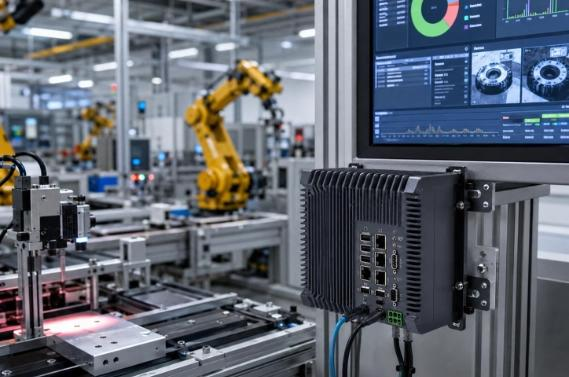
Industrial PCs & Embedded Computers
Storage for industrial PCs, embedded controllers and machine operating systems.
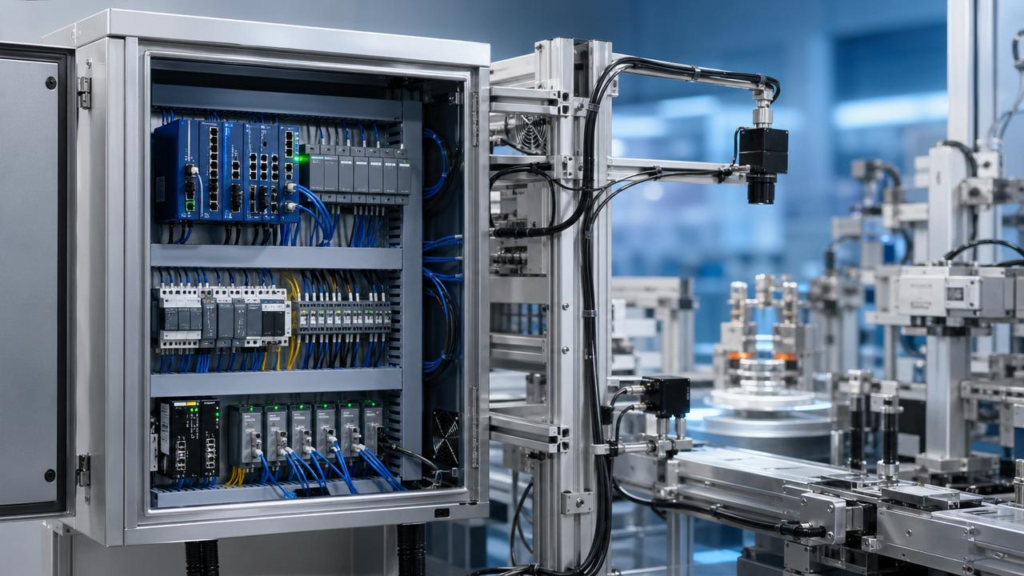
PLC & Factory Automation
Storage for automation controllers, production monitoring and industrial control platforms.
Industrial SSD solutions for robotic controllers, motion systems, and automated production equipment.
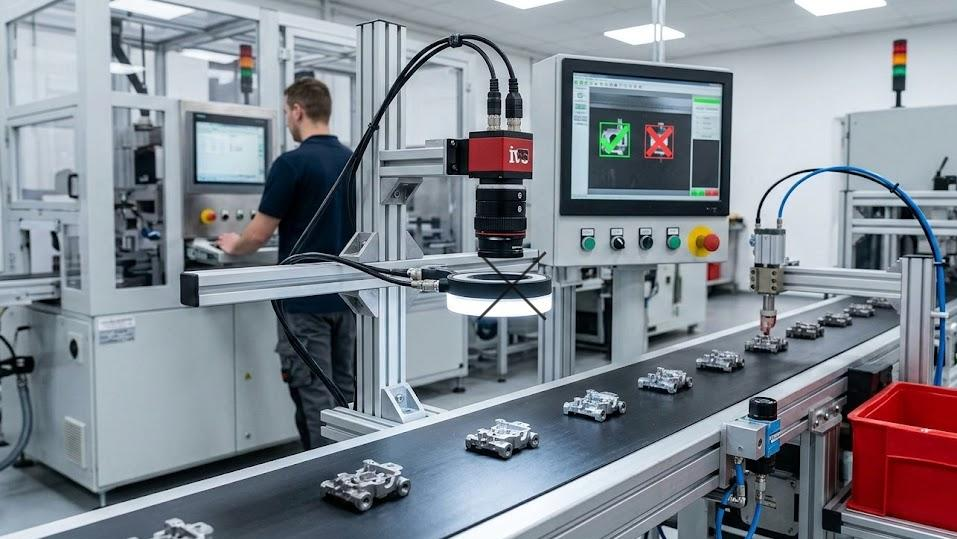
Machine Vision & Inspection
Storage for image acquisition, inspection data, and machine vision processing systems.
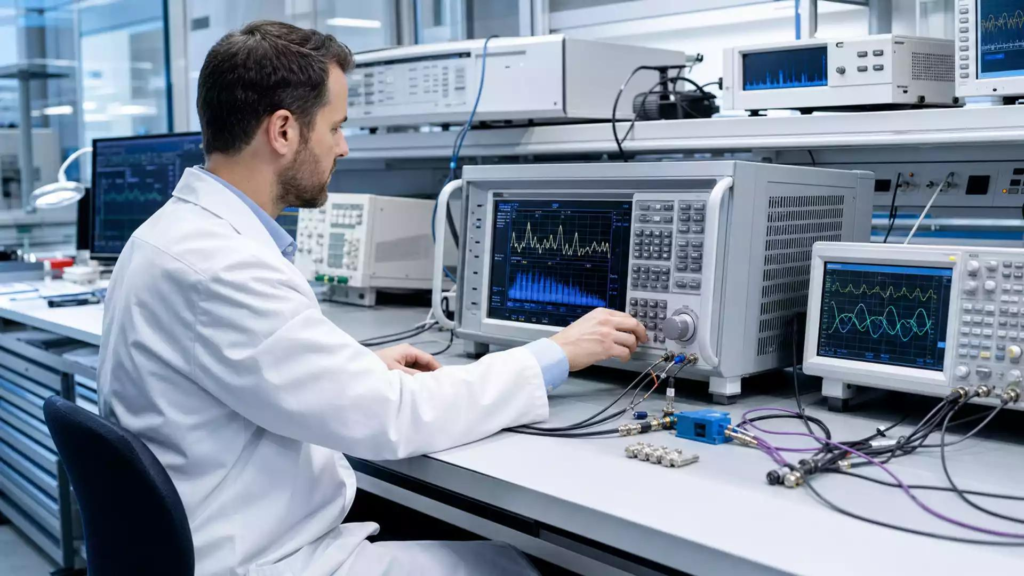
Test & Measurement Equipment
Reliable storage for measurement systems, testing equipment and industrial data logging.
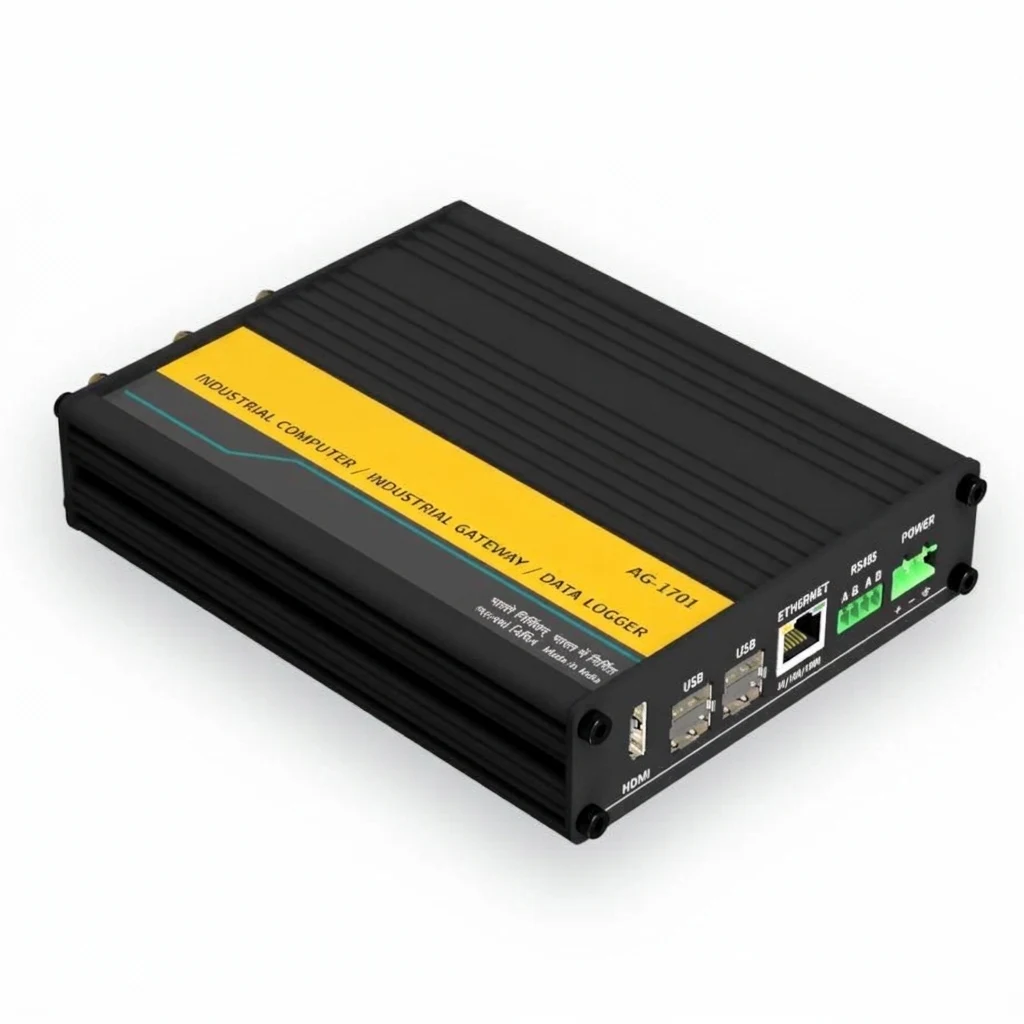
Data Loggers & Industrial Monitoring
Storage for operating records, equipment monitoring and long-term industrial data collection
Find the Right Industrial SSD for Your Application
Choose an SSD based on your host interface, workload, form factor and operating environment.
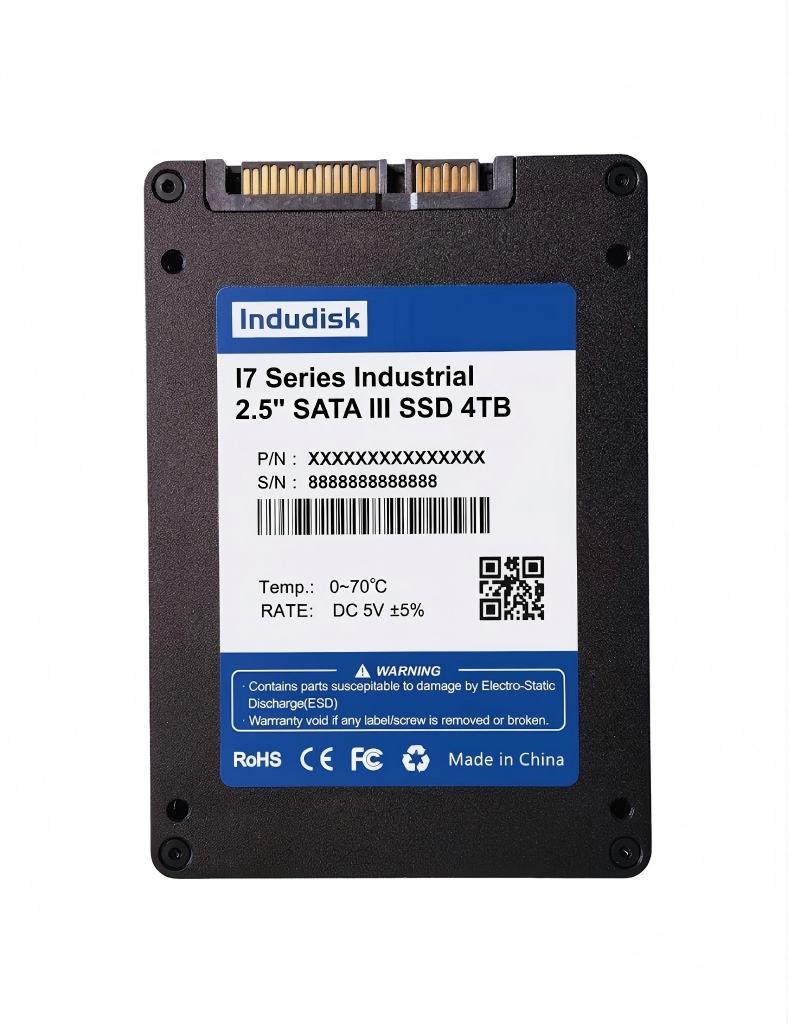
For industrial PCs, PLC systems, and existing SATA-based automation platforms.
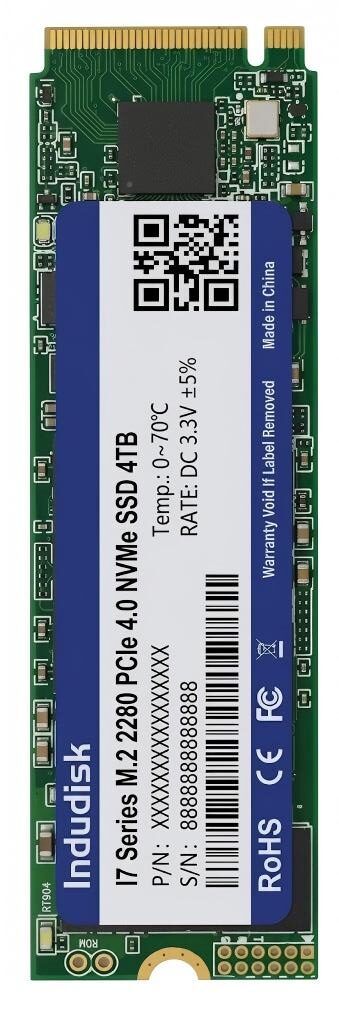
For high-speed industrial computing, machine vision and data-intensive workloads.
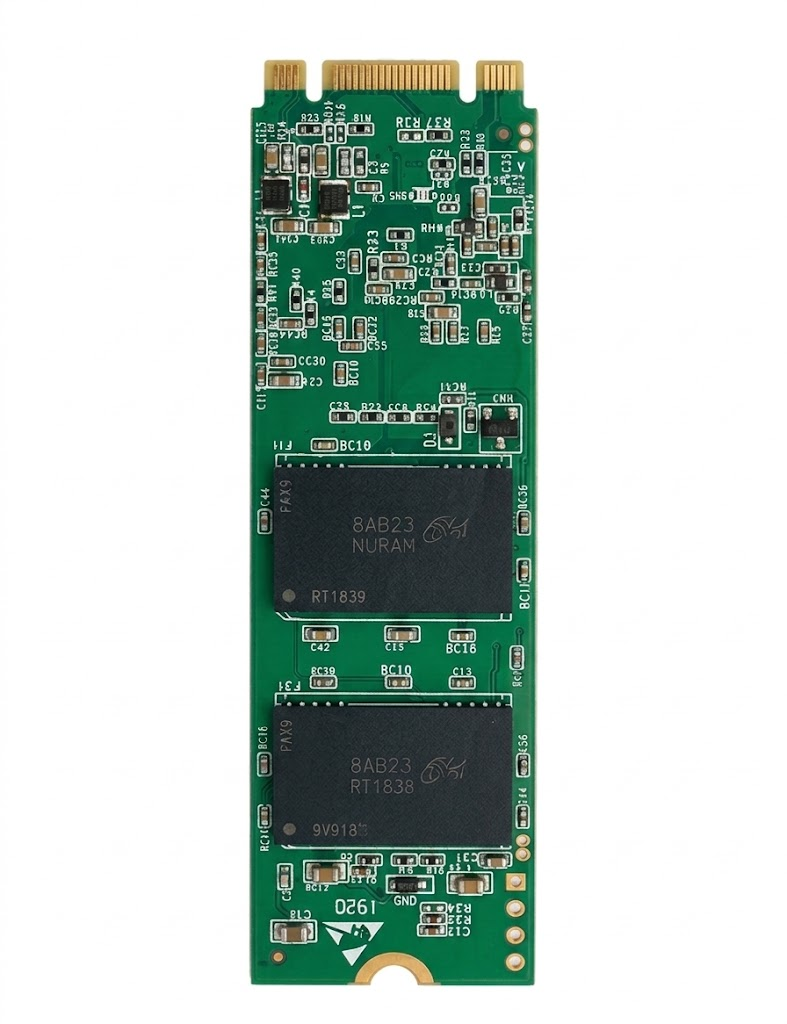
For compact embedded PCs and automation devices with M.2 SATA host support.
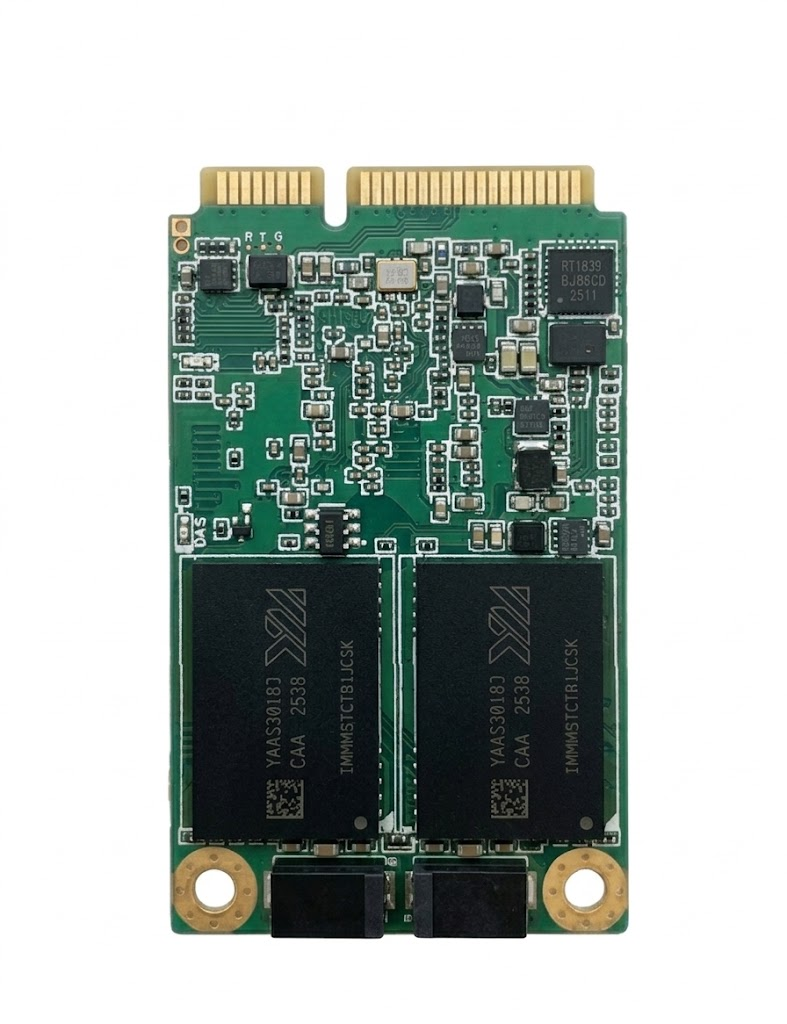
For compact embedded PCs and automation devices with M.2 SATA host support.
How to Choose the Right Industrial SATA SSD
Choosing an Industrial SATA SSD involves more than capacity. Consider the following factors to match the drive to your application.
Step 1: Interface & Form Factor
Confirm whether your system requires a 2.5-inch SATA SSD, M.2 SATA SSD, mSATA SSD, Slim SATA SSD, or SATA DOM.
Step 2: Capacity & Workload
Estimate storage capacity, daily write volume, and read/write patterns to determine the appropriate SSD configuration.
Step 3: Operating Environment
Check the required operating temperature, shock and vibration conditions, and other environmental requirements.
Step 4: Data Protection
Determine whether your application requires power-loss protection, specific firmware functions or other data protection features.
Step 5: Lifecycle & Customization
For long-term OEM projects, consider product availability, BOM consistency, firmware support, and potential customization needs.
Step 6: Need Help Selecting an SSD?
Share your interface, capacity, workload, operating environment and project lifecycle requirements with our team..
Why Choose Indudisk?
18+ Years of SSD Manufacturing Experience
Focused on andExperience in industrial and embedded storage solutions for global OEM customers.
Stable BOM & Long Lifecycle Supply
Controlled BOM management and lifecycle planning for long-running projects.
Custom Firmware & Hardware Design
Customization options for firmware, NAND Flash, capacity, temperature, endurance, and form factor.
Factory Manufacturing
Production capabilities supporting long-term industrial SSD projects.
High Endurance
Optimized for intensive read/write workloads with industrial-grade NAND Flash, delivering exceptional durability and long lifecycle.
OEM & SI Support
Designed for OEM manufacturers, system integrators, distributors, and industrial solution providers.
FAQ
An Industrial SATA SSD is a solid-state storage device designed for industrial, embedded, and other demanding applications that require reliable SATA-based storage. Compared with consumer SATA SSDs, Industrial SATA SSDs place greater emphasis on endurance, data reliability, environmental tolerance, stable operation, and long-term product availability.
Industrial SATA SSDs are available in different form factors, including 2.5-inch, M.2 SATA, mSATA, and SATA DOM, allowing system designers to select a storage solution based on system space, interface requirements, and application needs.
Industrial SATA SSD vs Consumer SATA SSD
| Feature | Industrial SATA SSD | Consumer SATA SSD |
|---|---|---|
| Primary Focus | Reliability & lifecycle | Cost & everyday performance |
| Operating Environment | Industrial / demanding | Consumer / office |
| Temperature Options | Extended options | Usually standard |
| Endurance | Application-specific | General-purpose |
| 24/7 Operation | Designed for industrial workloads | Model dependent |
| Lifecycle | Long-term project support | Shorter product cycles |
| Customization | Available for OEM projects | Usually limited |
The key difference is not simply speed. Industrial SATA SSDs are designed around the reliability, environmental, endurance, and lifecycle requirements of industrial applications.
Industrial SATA SSD vs Industrial NVMe SSD
| SATA SSD | NVMe SSD | |
|---|---|---|
| Interface | SATA III | PCIe |
| Protocol | SATA/AHCI | NVMe |
| Performance | Moderate | High |
| Latency | Higher | Lower |
| Compatibility | Excellent | Requires NVMe support |
| Typical Use | IPC / Embedded / Automation | Edge AI / Vision / High-speed Computing |
Choose Industrial SATA SSD when compatibility, stability, and long-term supply are the priority. Choose Industrial NVMe SSD when high bandwidth and low latency are required.
An Industrial SATA SSD is designed for long-term, continuous operation, and many models can support 24/7 operation for multiple years. However, there is no universal number of years for every Industrial SATA SSD. Actual service life depends on the SSD’s endurance rating, NAND Flash type, capacity, workload, operating temperature, and power conditions.
Key Factors Affecting SSD Service Life
1. Write Workload
The amount of data written to the SSD has a major impact on its lifespan. Read-intensive applications generally cause less NAND wear than continuous data logging, video recording, or other write-intensive workloads.
2. TBW and DWPD Rating
For industrial applications, TBW (Total Bytes Written) and DWPD (Drive Writes Per Day) are useful indicators of endurance. The SSD should be selected according to the expected daily write workload.
3. NAND Flash Type
Different NAND Flash technologies have different endurance characteristics. Industrial SSD configurations can be selected according to the required workload and project lifecycle.
4. Operating Temperature
Operating the SSD within its specified temperature range helps maintain reliability and endurance. Wide-temperature Industrial SATA SSD models may support ranges such as -40°C to +85°C, depending on the model.
5. Firmware & NAND Management
Technologies such as ECC, wear leveling, garbage collection, and bad block management help distribute writes and maintain data integrity over the SSD’s service life.
Yes. Industrial SATA SSDs can be designed for continuous 24/7 operation and are widely used in industrial PCs, embedded systems, automation equipment, transportation, medical devices, and surveillance systems.
Unlike consumer SSDs, Industrial SATA SSDs are designed with greater emphasis on long-term reliability, endurance, environmental tolerance, and stable operation for demanding applications.
Industrial SATA SSDs are available in several form factors to meet different industrial, embedded, and OEM system requirements. The most common options include 2.5-inch SATA, M.2 SATA, mSATA, Half Slim SATA and SATA DOM.
Yes. Indudisk provides long-term supply support for Industrial SATA SSDs, with a focus on OEMs, system integrators, and industrial equipment manufacturers that require stable storage products throughout multi-year project lifecycles. Indudisk states that it uses stable BOM control and extended product availability to help minimize redesign costs and maintain project continuity.
While M.2 and NVMe are popularly used now,they actually refer to different technologies that can be used together but:
- NVMe is a storage transfer protocol specially designed for high-performance,non-volatile storage media.
- M.2 is an SSD form factor that enables high-performance storage.
- M.2 SSD connected using the NVMe interface deliver faster read/write speed
M.2 SATA SSDs use the SATA interface with a max. data transfer of 6Gbps. This is slow compared to the new NVMe intefaces. But it have 3 to 4 times the bandwidth compared to traditional HDD and is more available and affordable than a NVMe SSD. So it is a great alternative
M.2 NVMe SSDs are much more performance driven compared to M.2 SATA SSDs. By leveraging the PCIe bus, M.2 NVMe SSDs have theoretical transfer speeds of up to 20Gbps which is already faster compared to M.2 SATA SSDs with 6Gbps. PCIe buses can support 1x, 4x, 8x, and 16x lanes.
Looking for an Industrial SSD Solution for Your Automation Project?
Tell us about your equipment, host interface, storage capacity, operating environment, and workload requirements.
Whether you are developing an industrial PC, robotics controller, machine vision system, or factory automation platform, Indudisk can help evaluate a suitable industrial SSD configuration.