
Industrial SATA SSD Solutions
Reliable SATA Storage Designed for Industrial and Embedded Applications
-40C to +85C | Long lifecycle | High endurance
Industrial SATA SSD Solutions
Reliable SATA Storage Designed for Industrial Applications
Indudisk Industrial SATA SSD delivers stable, reliable, and long-life storage solutions for industrial systems requiring high endurance, consistent performance, and broad compatibility.
Built with industrial-grade components and optimized firmware, Industrial SATA SSDs provide dependable storage for industrial PCs, embedded systems, automation equipment, transportation platforms, and mission-critical applications operating in demanding environments.
Why Choose This SSD
Excellent Compatibility
Ideal for systems that require stable SATA compatibility.
Designed for 24/7 Industrial Operation
Built with components and FW optimized for long-term workloads.
Reliable Performance in Harsh Env.
Designed to provide consistent performance in harsh environments.
Lower Maintenance Costs
Industrial SATA SSDs help reduce unexpected & failures & Equipment downtime
Key Features
Designed for reliability, engineered for industrial applications.
SATA III Compatibility
Broad compatibility with industrial PCs, embedded systems, and legacy platforms.
Industrial Reliability
Designed for stable 24/7 operation with advanced NAND management and error correction.
Wide Temperature
Reliable operation in demanding environments, with options up to -40°C to +85°C.
PLP Support
Safeguard critical data during unexpected power fail, help maintain data integrity, system reliability, and uninterrupted operation.
Stable Performance
Provides consistent performance and reliable response for industrial and embedded applications.
Data Protection
ECC, wear leveling, bad block management, and optional power-failure protection.
Custom SSD
Flexible firmware, NAND, capacity, and configuration options for application-specific requirements.
Long-Term Supply
Controlled BOM and long-term availability for OEM and system integrator projects.
Typical Applications
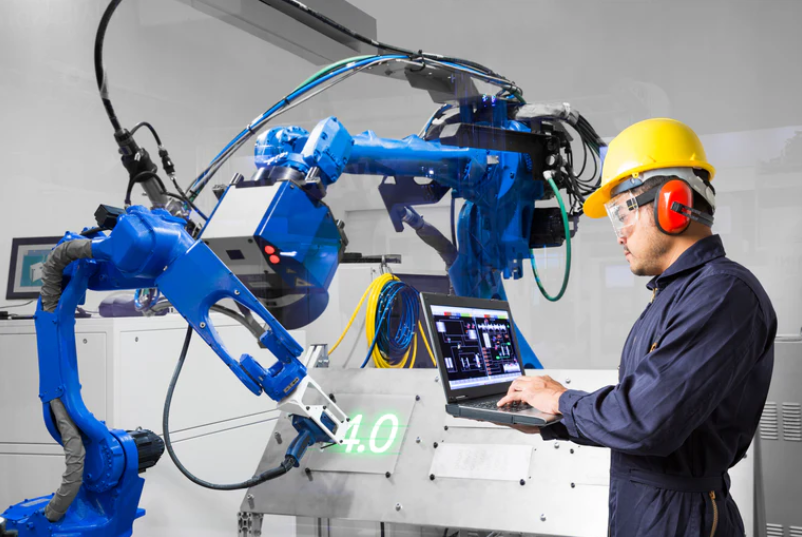
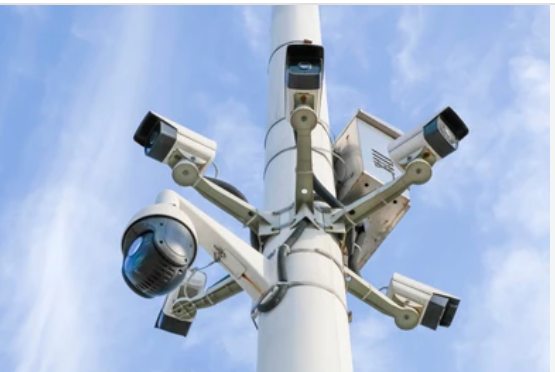
Industrial Automation | Embedded Systems | Transportation Systems | Surveillance Systems | Energy System




Industrial 2.5" SATA SSD
Reliable 2.5-Inch SATA Storage for Industrial and Embedded Systems
Indudisk Industrial 2.5″ SATA SSD provides reliable and stable storage for industrial PCs, embedded systems, automation equipment, transportation platforms, medical devices, and other applications requiring long-term storage performance.

Reliable Drop-In Upgrade | Industrial-Grade Reliability | Long-Life Supply
Excellent Compatibility | PLP Support | Long Lifecycle Supply
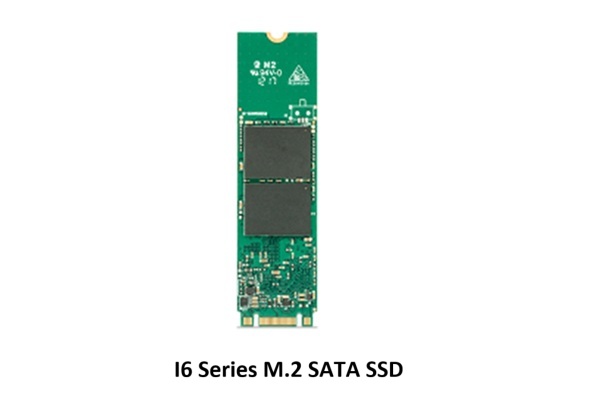
Industrial M.2 SATA SSD
Reliable M.2 SATA Storage for Embedded & Industrial Computing
Indudisk Industrial M.2 SATA SSDs deliver dependable storage performance for industrial automation, embedded computing, transportation systems, and edge devices.
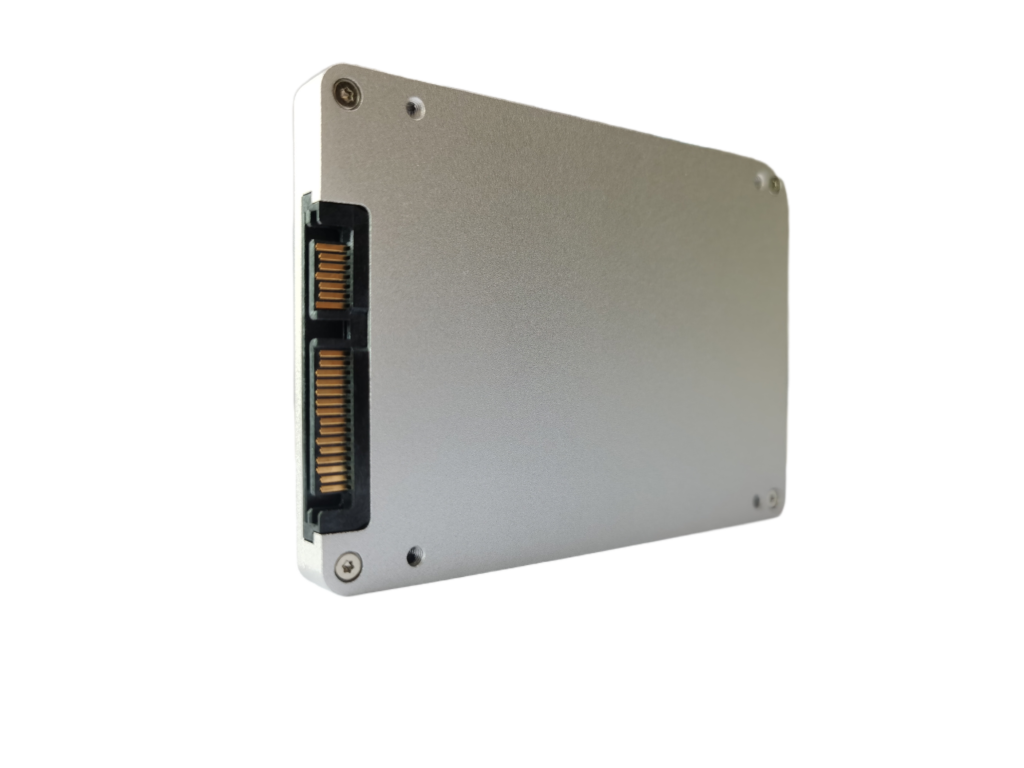
Industrial 2.5" SATA SSD
Industrial 2.5" SATA SSD for Reliable Embedded & Industrial Computing
Indudisk’s Industrial 2.5″ SATA SSD is engineered to deliver reliable, long-term storage for industrial automation, embedded computing, transportation, surveillance systems, and mission-critical applications.
-40C to +85C | PLP Support | Long Lifecycle Supply
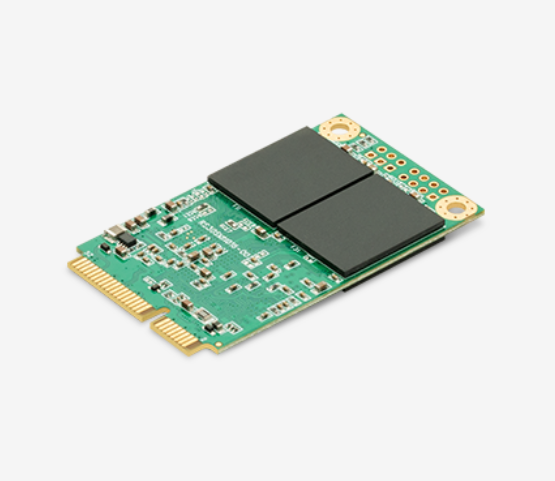
Compact Design |Industrial Reliability |Long Lifecycle Supply
Industrial mSATA SSD
Compact Industrial mSATA SSD for Embedded & Mission-Critical Systems
Indudisk’s Industrial mSATA SSD is designed to provide reliable, high-endurance storage for industrial automation, embedded computing, transportation, surveillance systems, and edge AI applications.
Industrial Slim SATA SSD
Compact Industrial Slim SATA SSD for Space-Constrained Applications
Indudisk Industrial Slim SATA SSDs are designed to deliver reliable, high-performance storage for embedded computing, industrial automation, transportation and networking systems

Ultra-Compact Design | Industrial Reliability | Long Lifecycle
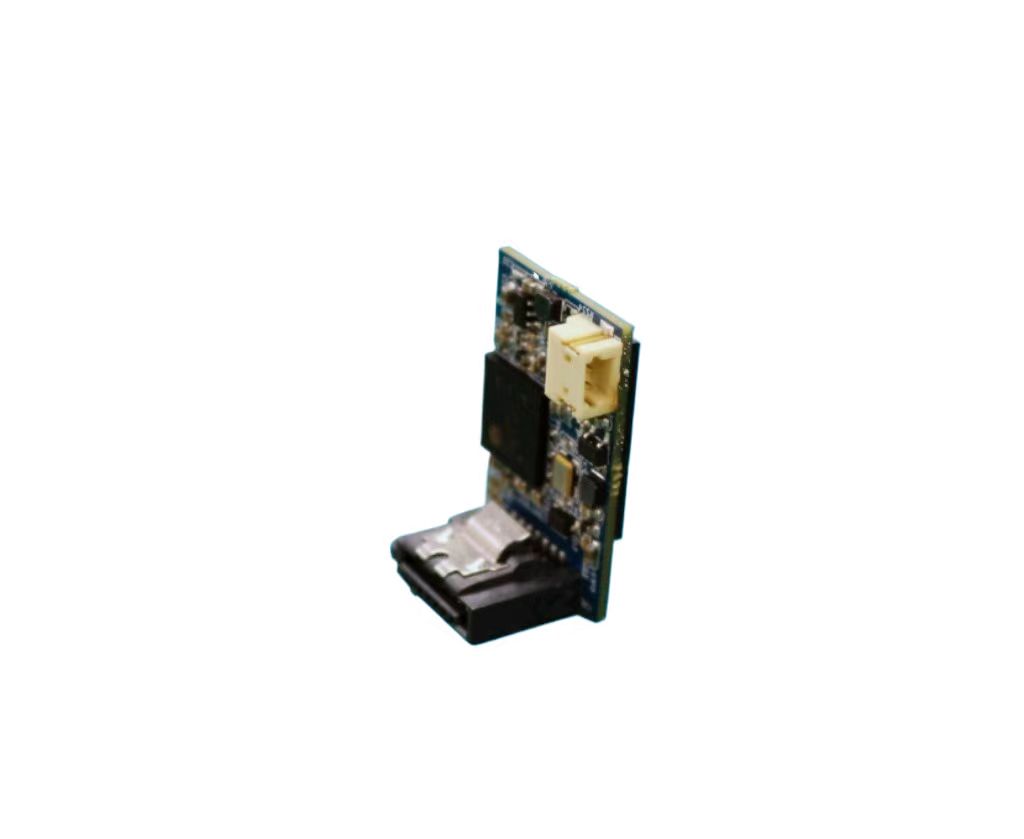
Compact Design | Boot Storage | Long Lifecycle Supply
SATA DOM SSD
Compact Industrial SATA DOM for Embedded Computing & Industrial Systems
Indudisk Industrial SATA DOM (Disk on Module) delivers reliable, space-saving embedded storage for industrial computers, servers, networking equipment, automation systems, and embedded applications.
Industrial M.2 SATA SSD
Compact SATA Storage for Industrial and Embedded Applications
Indudisk Industrial M.2 SATA SSD combines the compact M.2 form factor with reliable SATA III storage performance, providing a space-efficient storage solution for industrial PCs, embedded computers, automation equipment, medical devices, transportation systems, and other applications with limited installation space.
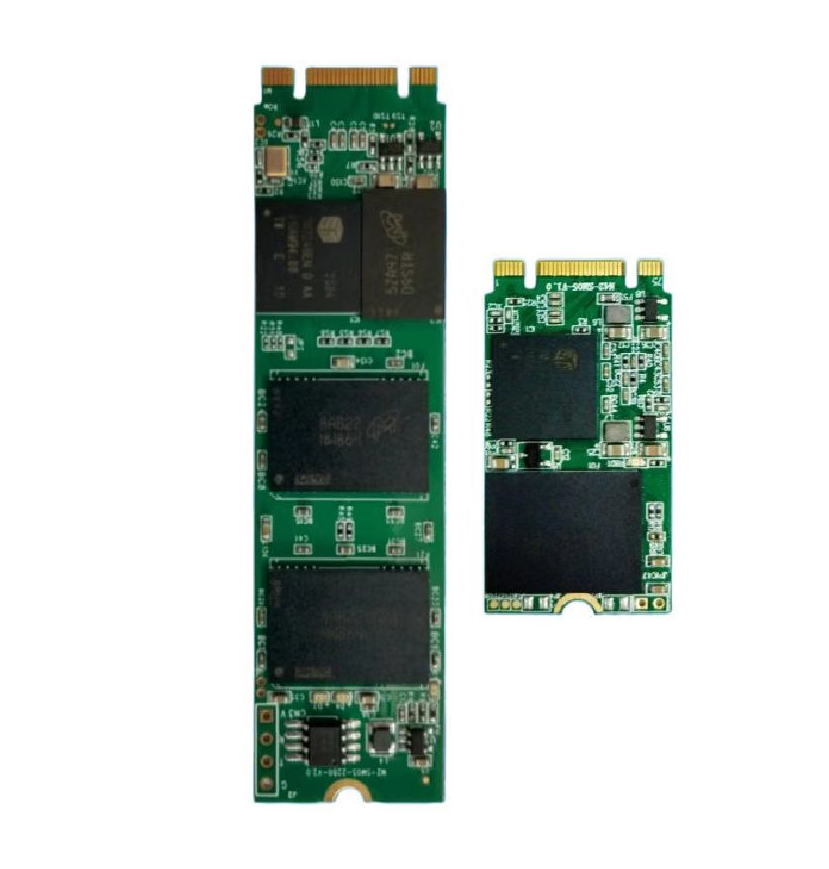
Compact M.2 Form Factor | Industrial Reliability | Long Lifecycle Supply
FAQ
An Industrial SATA SSD is a solid-state drive designed specifically for industrial, embedded, and other applications that require reliable storage, stable performance, and long-term availability.
Unlike consumer SATA SSDs, Industrial SATA SSDs are designed with industrial applications in mind. They typically use carefully selected NAND Flash, optimized firmware, and advanced data management technologies to support 24/7 operation, demanding workloads, and harsh operating environments.
Key Characteristics of an Industrial SATA SSD
- SATA III 6Gb/s interface for broad compatibility with industrial systems
- Industrial-grade NAND Flash for improved endurance and reliability
- ECC error correction to help maintain data integrity
- Wear leveling and bad block management to extend SSD service life
- Wide-temperature options, such as -40°C to +85°C, for demanding environments
- Shock and vibration resistance with no moving mechanical components
- Power-failure protection and encryption options for mission-critical applications
- Long-term supply and controlled BOM
storage capacity at a lower cost ,which makes it a better option for large data storage.
Industrial SATA SSDs are commonly used in:
- Industrial PCs (IPC)
- Factory automation systems
- Embedded computers
- Medical equipment
- Transportation and railway systems
- Surveillance and video recording systems
- Rugged computing platforms
- Defense and aerospace equipment
The main difference is the design priority. Consumer SSDs generally focus on cost, peak performance, and short-to-medium product cycles, while Industrial SATA SSDs place greater emphasis on reliability, endurance, environmental tolerance, consistent performance, and long product lifecycle support.
For OEMs and system integrators, an Industrial SATA SSD is therefore a better choice when storage must operate reliably for years and system redesign or unexpected drive replacement would be costly.
Indudisk Industrial SATA SSD solutions are available in form factors such as 2.5″, M.2 SATA, mSATA, and SATA DOM, with options for different capacities, temperature ranges, endurance requirements, and application-specific customization.
An Industrial SATA SSD can be designed for continuous 24/7 operation over many years, but there is no single fixed service life for every SSD. Actual operating life depends on the NAND Flash, capacity, write workload, operating temperature, endurance rating, and system conditions.
For industrial applications, the key factors to evaluate are:
- TBW (Total Bytes Written): Indicates how much data can be written over the SSD’s rated life.
- DWPD (Drive Writes Per Day): Useful for applications with continuous daily writes.
- NAND Flash type: SLC, MLC, TLC, and other NAND configurations have different endurance characteristics.
- Capacity: Larger capacities can provide more NAND resources for managing write workloads.
- Workload: Continuous video recording or data logging can wear an SSD faster than mainly read-based applications.
- Temperature: Operating within the specified temperature range helps maintain reliability and endurance.
- Firmware management: Wear leveling, ECC, garbage collection, and bad block management help maximize usable SSD life.
Designed for Long-Life Industrial Applications
Unlike many consumer SSDs, Industrial SATA SSDs are designed for long-term deployment and continuous operation in industrial systems. With appropriate capacity, endurance, thermal conditions, and workload management, they can support multi-year OEM projects.
For example, an Industrial SATA SSD used primarily for OS booting and data reading may experience significantly less NAND wear than one used for continuous high-volume data logging.
How to Estimate SSD Service Life
For a specific application, SSD lifetime should be estimated from the drive’s TBW/DWPD rating and actual daily write workload, rather than simply specifying a number of years.
For example:
Estimated service life ≈ Rated TBW ÷ Average daily data written ÷ 365
This provides a basic estimate; actual endurance also depends on workload characteristics, write amplification, temperature, and the manufacturer’s specifications.
For OEM projects, Indudisk can help select the appropriate Industrial SATA SSD based on required capacity, daily write volume, temperature range, endurance, and expected service life. This is more meaningful than simply choosing an SSD based on capacity or peak speed.
The main difference between SATA SSD and NVMe SSD is the interface and communication protocol used to transfer data between the SSD and the host system.
SATA SSDs use the SATA interface, which was originally designed for hard disk drives (HDDs). They provide excellent compatibility and are widely used in industrial PCs, embedded systems, and legacy platforms.
NVMe SSDs use the PCIe interface and NVMe protocol, which were specifically designed for high-speed flash storage. They provide significantly higher bandwidth, lower latency, and better performance for data-intensive industrial applications.
SATA SSD vs NVMe SSD Comparison
| Feature | Industrial SATA SSD | Industrial NVMe SSD |
|---|---|---|
| Interface | SATA III 6Gb/s | PCIe (Gen3/Gen4) |
| Protocol | AHCI | NVMe |
| Performance | Reliable, moderate speed | High-speed, low latency |
| Data Transfer | Lower bandwidth | Much higher bandwidth |
| Latency | Higher | Lower |
| Compatibility | Excellent with existing systems | Requires NVMe-compatible platform |
| Power Efficiency | Generally lower power consumption | Optimized for high-performance workloads |
| Form Factors | 2.5″, mSATA, M.2 SATA, SATA DOM | M.2 2242, M.2 2280, U.2 |
| Typical Applications | Automation, embedded systems, legacy equipment | Edge AI, machine vision, high-speed computing |
If you are exploring your options for industrial flash storage, two contenders are likely to be on your list: SLC NAND and MLC NAND. Both forms of NAND flash storage are popular and reliable, and each one has its most appropriate uses. The trick is not using MLC NAND when you really need SLC, or paying for SLC when you could get by with MLC. Which NAND flash storage technology is right for your application? This comparison of SLC NAND vs. MLC NAND will help you make up your mind.
With SLC NAND, one bit of data is stored on each cell. This kind of storage is extremely important for devices in which critical data will be saved.It provides suitable reliability and greatly minimizes the risk of data loss and corruption.
With MLC Nand,MLC stands for multi-level cell with two bits of data are stored per cell.You will find it most often in commercial and industrial applications. MLC NAND is the right solution for these products because it costs less than SLC NAND.
SLC and MLC flash mermory are similar in their design. MLC SSDs cost less and allow for higher storage density. SLC SSDs provide faster write performance and higher reliability.
With TLC Nand, a triple-level cell NAND flash, stores three bits of data per cell.It is ideal for consumer grade products because the price point of TLC flash is the lowest of these three forms.
As for SSD endurance, SLC SSD is rated at approximately 100,000 PE cycles per cell. SLC SSD is is rated at approximately 10,000 PE cycles per cell. TLC SSD is rated at approximately 3,000 PE cycles per cell.While QLC is rated at approximately only 1,000 PE cycles per cell.
An SSD form factor is the size, configuration or physical arrangement of solid-state storage media.The form factor determines the media’s physical compatibility and interchangeability with other computer components or devices.
2.5″
when buying an SSD, the first thing you want to know is which form factor fits your system. SSDs come in a variety of form factors. For example,2.5″ is the most common type of SSD and fits into most laptop or desktop computers.It has a similar shape to a traditional HDD and connects over SATA cables so it offers a very familiar experience to what many are already used to.
M.2
M.2 has become the standard type of storage for slim laptops and notebooks.Its tiny form factor is often compared to a stick of gum and easy to install right on the motherboard in most cases. It is available in various lengths to enable different SSD capacities, The longer the drive,the more Nand flash chips can be mounted on it leading to higher capacity SSDs.
mSATA
mSATA or mini-SATA,is essentially a smaller version of the full-size SATA SSD,It uses a compact form factor like M.2 but not interchangeable.M.2 SSD can support both SATA and PCIe interface options whereas mSATA only supports SATA. This form factor is designed for smaller form factor systems where space is limited.
U.2
Finally,there’s U.2 which looks like a 2.5″ drive but it is a bit thicker .It uses a different connector and sends data through the PCIe interface.U.2 SSD is typically used for high-end workstations,servers and interprise applications that need greater storage.It allows higher operating temperatures and is more favorable for transferring heat than M.2 form factor.
While M.2 and NVMe are popularly used now,they actually refer to different technologies that can be used together but:
- NVMe is a storage transfer protocol specially designed for high-performance,non-volatile storage media.
- M.2 is an SSD form factor that enables high-performance storage.
- M.2 SSD connected using the NVMe interface deliver faster read/write speed
M.2 SATA SSDs use the SATA interface with a max. data transfer of 6Gbps. This is slow compared to the new NVMe intefaces. But it have 3 to 4 times the bandwidth compared to traditional HDD and is more available and affordable than a NVMe SSD. So it is a great alternative
M.2 NVMe SSDs are much more performance driven compared to M.2 SATA SSDs. By leveraging the PCIe bus, M.2 NVMe SSDs have theoretical transfer speeds of up to 20Gbps which is already faster compared to M.2 SATA SSDs with 6Gbps. PCIe buses can support 1x, 4x, 8x, and 16x lanes.
An Industrial SATA SSD is a good choice when your application requires:
- Broad system compatibility
- Stable and reliable storage
- Easy replacement of HDD-based systems
- Long-term product availability
- Cost-effective industrial storage
Typical applications include:
- Industrial PCs (IPC)
- Factory automation equipment
- Embedded controllers
- Medical devices
- Transportation systems
- Data logging applications
An Industrial NVMe SSD is better suited for applications requiring:
- Higher data processing speed
- Lower storage latency
- Large-volume data transfer
- Real-time computing performance
Typical applications include:
- Edge AI systems
- Machine vision
- Video analytics
- High-speed data acquisition
- Advanced industrial computing platforms
There is no universal answer. The best choice depends on the system requirements.
Choose Industrial SATA SSD when:
- Compatibility and long-term stability are the priority
- The existing system uses SATA interface
- Moderate storage performance is sufficient
Choose Industrial NVMe SSD when:
- High performance and low latency are required
- The system supports PCIe NVMe
- Applications involve AI, imaging, or large data processing
For many industrial projects, SATA SSD and NVMe SSD are complementary solutions rather than direct replacements. SATA SSDs remain an excellent choice for reliable long-life industrial systems, while NVMe SSDs provide the performance needed for next-generation edge computing and data-intensive applications.
Indudisk provides both Industrial SATA SSD and Industrial NVMe SSD solutions, including 2.5″ SATA SSD, mSATA SSD, SATA DOM, M.2 SATA SSD, M.2 NVMe SSD, and PCIe Gen4 NVMe SSD options for different industrial requirements.
Industrial SATA SSDs are designed for long-term industrial applications and typically support multi-year deployments, often 5 years or longer depending on the model, workload, and supply conditions. Unlike consumer SSDs, industrial SSDs focus on long-term availability, stable specifications, and lifecycle support to reduce redesign risks for OEM projects.
Need a Reliable Industrial SATA SSD Solution?
Indudisk provides industrial-grade SATA SSD solutions with long-term supply support, customization services, and reliable performance for OEM and embedded applications.
Talk to Engineer
Get Datasheet
Request a Quote
Get technical support
Industrial SATA SSD Solutions
Reliable SATA Storage Designed for Industrial and Embedded Applications
Explore our Industrial SSD
Indudisk offers a complete SSD line of SATA and NVMe Industrial solid state drives designed specifically for system designers and builders.
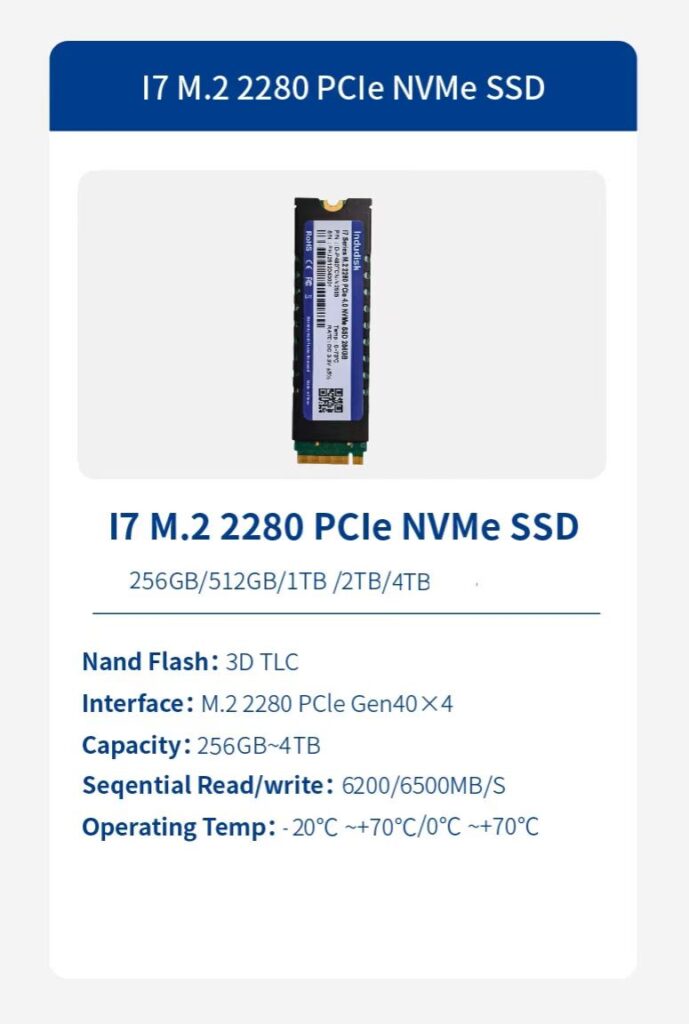
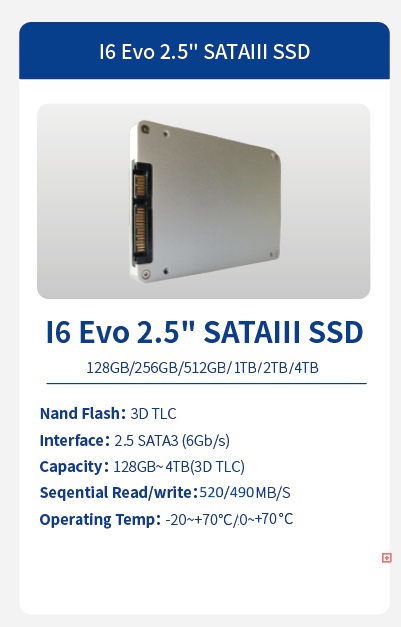
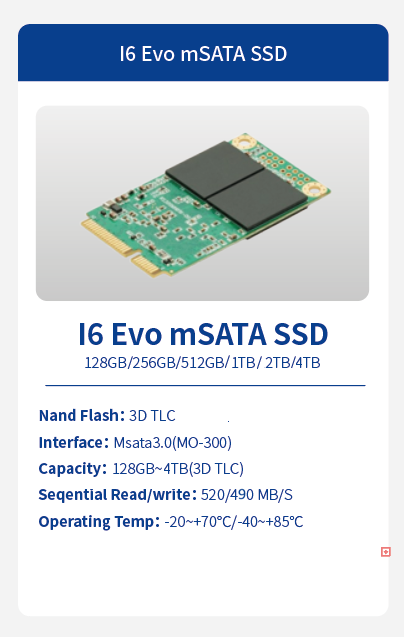


Key Benefits of our Industrial SSD
System designers and builders require reliable performance and consistency for industrial storage solutions. Indudisk offers the following benefits with the Industrial SSD product line :
Highest Quality and Reliability
- From raw material to finished products,we employ a higher standard at every step of IQC and testing.
- ISO9001 Certified manufacturing and conduct 8 hours of Burn in test for reliability test.
Controlled BOM
- Ensures there are no changes to key components after customer qualification.
- Issue PCN change notice in advance under custom PN due to fast NAND market transitions
Competive Prices
- Direct SSD factory supply without middlemen ensures competitive pricing and OEM/ODM services.
- Low MOQ start from 1pc.
Timely Support
- You can contact our ssd factory experienced ssd expert directly for product consultancy and technical support.
- You will get quick reply with professional answers which help you ahead of others.
High-Quality industrial Storage Applications
Indudisk is a professional SSD manufactuer of cutting-edge industrial SSDs and storage solutions that cater to the needs of a wide range of industries. Our products and services are designed to help businesses in diverse sectors achieve optimal performance and productivity .We understand that each industry has unique needs and challenges, so we provide customized and tailored SSD solutions that cater to these specific needs.Whether you’re in industrial Automation, Transportation,communications,Surveillance, embedded computing, or IoT. We have the expertise and experience to help you achieve optimal performance and reliability.
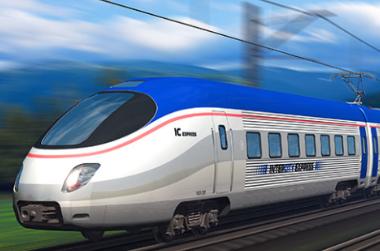
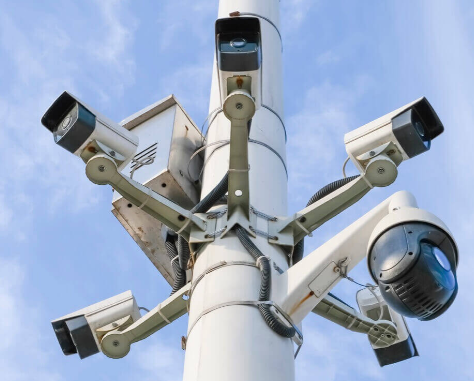
Surveillance

Communications

Power energy
Ask us More about the products
At Indudisk, We offer a wide range of industrial SSDs in a variety of small form factors.Learn more and request a free quote now.
How to choose the right Industrial SSD
SSD Sizes, Interfaces, Types,Capacities, Uses ,Features and More
Before SSD technology emerges, HDD is the main storage device . HDD is a traditional hard drive consists of a spinning disk with a read/write head on a mechanical arm called an Hard Disk. An HDD reads and writes data magnetically. The magnetic properties, however, can lead to mechanical breakdowns.
While SSD is a non-volatile storage media that stores constant data on solid-state Nand Flash chips. Now SSDs are replacing traditional HDD in computers as storage device. Because SSDs are much faster in comparision .With an SSD, the device ‘s OS will boot up more quickly ,Programs will load quicker and files can be saved faster.
Generally speaking, SSDs Solid State Drives are better than HDD for most users due to its faster speed,improved durability and quieter operation.However,HDDs offer higher storage capacity at a lower cost ,which makes it a better option for large data storage.
As an SSD buyer, it is very key to choose the right SSD product at favorable price for your project. But do you know how to choose a right SSD solution for your projects ? As an SSD expert, the starting point is to learn about your application. For example, what is your operating temperature ?Is it used as a system drive or mass capacity data transfer ? Is it mainly used for read or write operations ? What OS ? Since all answers above related to your application is very pivotal to select a right SSD that aligns perfectly with your requirements and uphold unwavering quality.
Industrial SSDs: mainly designed specifically for system designers and builders and capable of operating in extreme environments.Industrial SSDs come in a wide variety of small form factors with different interfaces.We normally require reliable performance and consistency for industrial storage solutions.
Nomrally industrial ssds are designed for high reliability and performance operating in extreme environments while consumer SSDs are cost-effective storage for everyday us.The eKey differences include operating temperature ranges, durability, write endurance, and features like power loss protection and error correction.
Industrial SSDs are crafted for resilience in extreme environments, making them ideal for various demanding applications. They boast greater endurance and reliability than consumer SSDs, thanks to their rugged design and rugged components. Industrial SSDs have significantly higher reliability and endurance, with program/erase (P/E) cycles of around 3000 to100,000 compared to only about 1,000 for consumer SSDs. This allows industrial SSDs to handle heavy workloads for much longer before wearing out. Furthermore, they are designed to endure industrial temperatue and wide temperature ranges (from -40°C to 85°C, while consumer SSDs typically only support 0°C to 70°C).
The main difference between industrial ssd and military ssd lies in the design for environmental resilience,security features and reliability.Industrial SSDs are built to withstand harsh conditions like extreme temperatures and vibrations, while military SSDs incorporate even more rigorous standards for security, data protection, and resistance to environmental stressors like shock, vibration,humidity and electromagnetic interference.
Most people are still confused to select a right SSD type . Generally speaking, this greatly depends on the operating temperature range of your application environment for the SSD. As an SSD manufacturer ,Consumer SSDs/Commercial SSDs are designed to operate at temperatures ranging from 0 degrees Celsius to 70 degrees Celsius , Industrial SSDs are designed to operate at temperatures ranging from -20 degrees Celsius to 70 degrees Celsius while military SSDs/rugged SSDs are designed to operate at temperatures ranging from -40 degrees Celsius to 85 degrees Celsius.
Generally Speaking, we can differ Industrial SSDs from military SSDs by their Operating Temperature as below:
- Commercial SSD Operating Temperature: 0C to +70C
- Industrial SSD Operating Temperature :-20C to +70C
- Military SSD Operating Temperature:-40C to +85C
If you are exploring your options for industrial flash storage, two contenders are likely to be on your list: SLC NAND and MLC NAND. Both forms of NAND flash storage are popular and reliable, and each one has its most appropriate uses. The trick is not using MLC NAND when you really need SLC, or paying for SLC when you could get by with MLC. Which NAND flash storage technology is right for your application? This comparison of SLC NAND vs. MLC NAND will help you make up your mind.
With SLC NAND, one bit of data is stored on each cell. This kind of storage is extremely important for devices in which critical data will be saved.It provides suitable reliability and greatly minimizes the risk of data loss and corruption.
With MLC Nand,MLC stands for multi-level cell with two bits of data are stored per cell.You will find it most often in commercial and industrial applications. MLC NAND is the right solution for these products because it costs less than SLC NAND.
SLC and MLC flash mermory are similar in their design. MLC SSDs cost less and allow for higher storage density. SLC SSDs provide faster write performance and higher reliability.
With TLC Nand, a triple-level cell NAND flash, stores three bits of data per cell.It is ideal for consumer grade products because the price point of TLC flash is the lowest of these three forms.
As for SSD endurance, SLC SSD is rated at approximately 100,000 PE cycles per cell. SLC SSD is is rated at approximately 10,000 PE cycles per cell. TLC SSD is rated at approximately 3,000 PE cycles per cell.While QLC is rated at approximately only 1,000 PE cycles per cell.
An SSD form factor is the size, configuration or physical arrangement of solid-state storage media.The form factor determines the media’s physical compatibility and interchangeability with other computer components or devices.
2.5″
when buying an SSD, the first thing you want to know is which form factor fits your system. SSDs come in a variety of form factors. For example,2.5″ is the most common type of SSD and fits into most laptop or desktop computers.It has a similar shape to a traditional HDD and connects over SATA cables so it offers a very familiar experience to what many are already used to.
M.2
M.2 has become the standard type of storage for slim laptops and notebooks.Its tiny form factor is often compared to a stick of gum and easy to install right on the motherboard in most cases. It is available in various lengths to enable different SSD capacities, The longer the drive,the more Nand flash chips can be mounted on it leading to higher capacity SSDs.
mSATA
mSATA or mini-SATA,is essentially a smaller version of the full-size SATA SSD,It uses a compact form factor like M.2 but not interchangeable.M.2 SSD can support both SATA and PCIe interface options whereas mSATA only supports SATA. This form factor is designed for smaller form factor systems where space is limited.
U.2
Finally,there’s U.2 which looks like a 2.5″ drive but it is a bit thicker .It uses a different connector and sends data through the PCIe interface.U.2 SSD is typically used for high-end workstations,servers and interprise applications that need greater storage.It allows higher operating temperatures and is more favorable for transferring heat than M.2 form factor.
While M.2 and NVMe are popularly used now,they actually refer to different technologies that can be used together but:
- NVMe is a storage transfer protocol specially designed for high-performance,non-volatile storage media.
- M.2 is an SSD form factor that enables high-performance storage.
- M.2 SSD connected using the NVMe interface deliver faster read/write speed
M.2 SATA SSDs use the SATA interface with a max. data transfer of 6Gbps. This is slow compared to the new NVMe intefaces. But it have 3 to 4 times the bandwidth compared to traditional HDD and is more available and affordable than a NVMe SSD. So it is a great alternative
M.2 NVMe SSDs are much more performance driven compared to M.2 SATA SSDs. By leveraging the PCIe bus, M.2 NVMe SSDs have theoretical transfer speeds of up to 20Gbps which is already faster compared to M.2 SATA SSDs with 6Gbps. PCIe buses can support 1x, 4x, 8x, and 16x lanes.
Get an Instant Quote For your Upcoming Projects Today?
Get an instant quote or let us know what you’re looking for and we’ll get back to you soon within 24h.