
Industrial mSATA SSD
Compact SATA Storage for Industrial & Embedded Systems
Designed for compatible industrial PCs, embedded computing platforms, machine vision systems, and AI edge applications that require high-speed data access in a compact M.2 2280 form factor.
- Compact mSATA Form Factor
- Industrial-Grade Reliability
- Industrial Temperature Options
- Power Loss Protection Available
- Long Lifecycle Supply
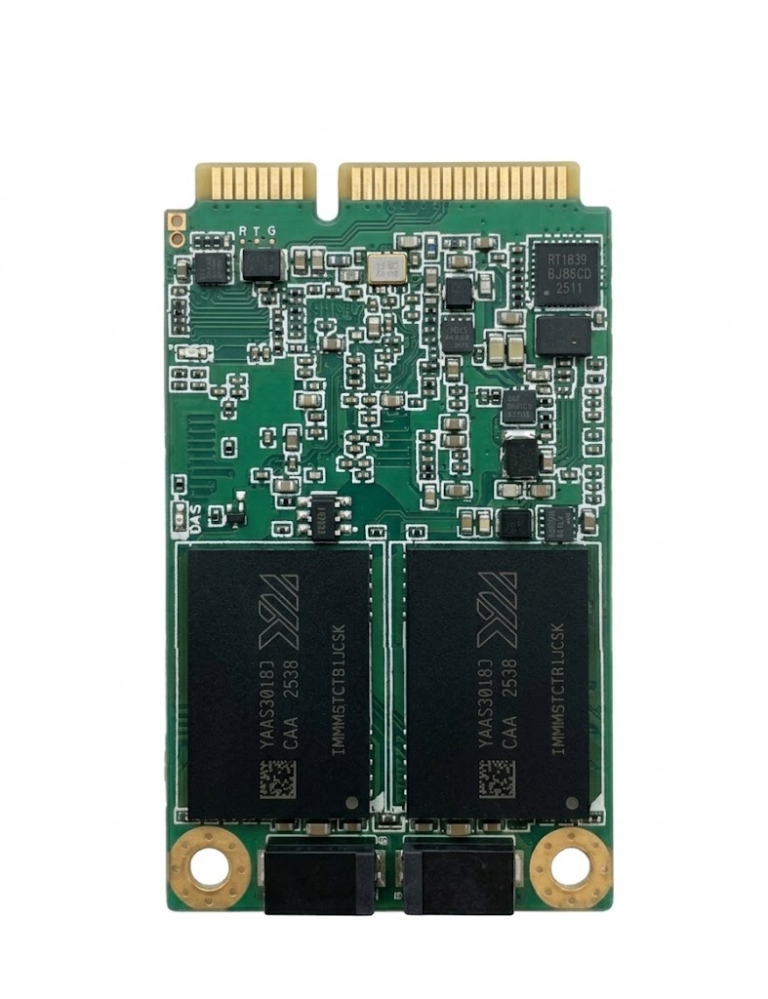
Compact mSATA
Form Factor
Data Protection
PLP option
Temperature
Industrial temp.option
Long-Term Supply
Controlled BOM
Product Overview
Compact, Reliable SATA Storage for Industrial Applications
Indudisk Industrial mSATA SSDs combine a compact form factor with reliable SATA III storage for industrial PCs, rugged computers, embedded systems, robotics, and edge computing devices.
Designed for industrial and embedded applications, these SSDs support reliable data storage through advanced NAND management, error correction, and model-dependent power-loss protection and security options. Multiple capacity and temperature configurations are available to meet different OEM project requirements.
With a compact mSATA form factor, Industrial mSATA SSDs are ideal for embedded platforms where internal space is limited. They provide SATA-based storage for systems designed with an mSATA slot, making them suitable for equipment upgrades and long-life embedded projects.
Why Choose Indudisk Industrial mSATA SSD?
18+ Years of SSD Experience
Industrial SSD design and manufacturing experience for global OEM projects.
Industrial-Grade Reliability
Advanced ECC, wear leveling and NAND management for dependable operation.
Wide-Temperature Options
Operating temperature configurations available, including -40°C to +85°C on selected models.
Long Lifecycle Supply
Long-term cooperation Suppliers and lifecycle planning for long-term industrial projects.
Target Applications
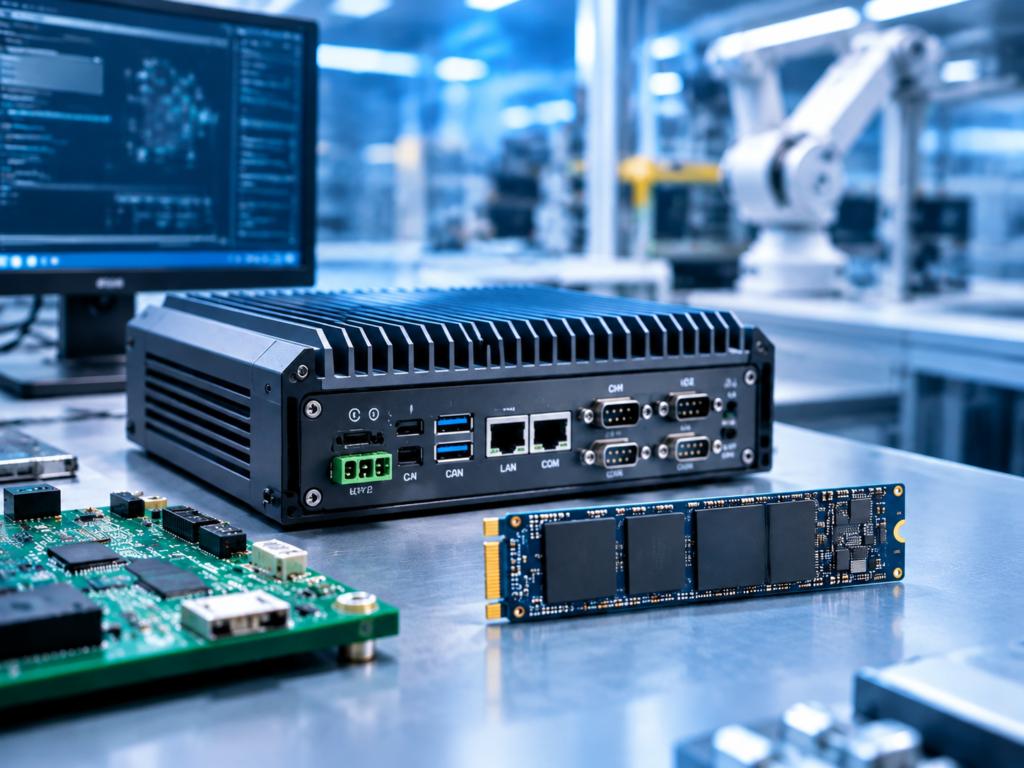
Reliable SATA storage for industrial computers, panel PCs, factory controllers and compact rugged PCs.

Storage for vehicle computers, railway control systems, and fleet management platforms.
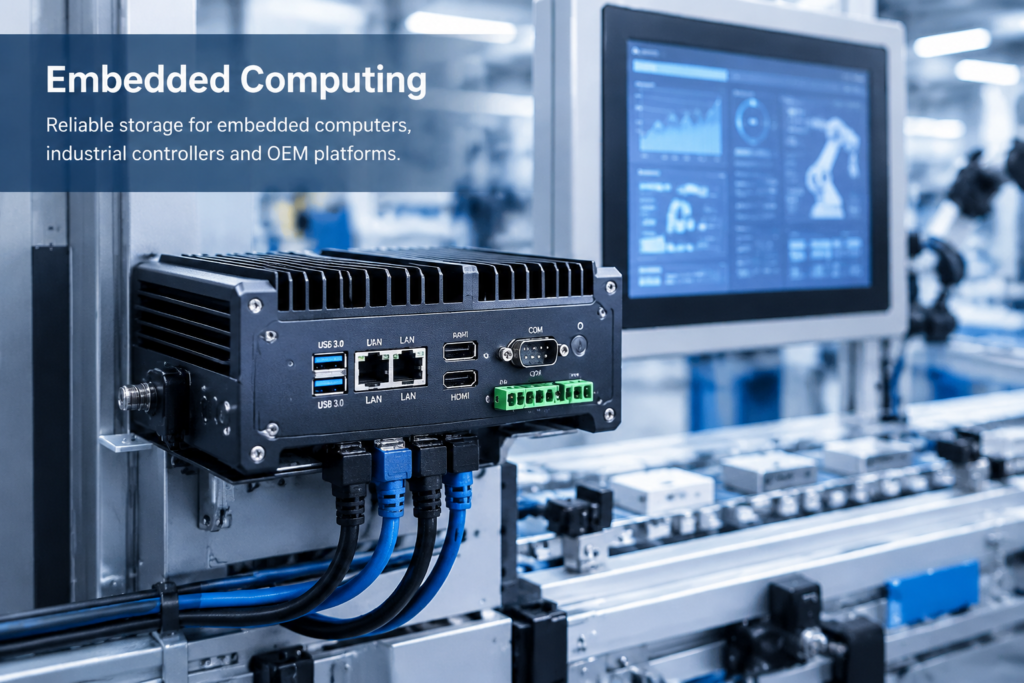
Compact mSATA storage for embedded computers, IoT gateways, edge devices and space-constrained platforms.
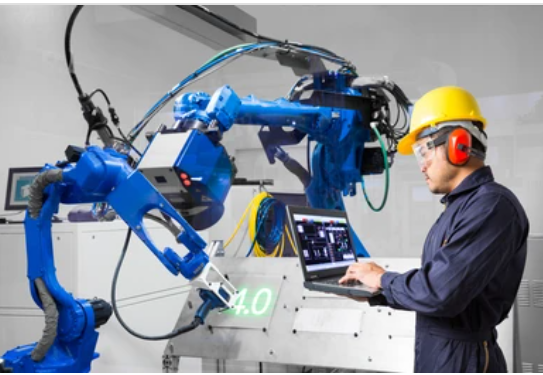
Industrial Automation
Suitable for machine controllers, robotics, automation equipment and industrial control systems.

Surveillance Systems
Compact storage for embedded video recording equipment and industrial security systems.

Edge Computing
mSATA storage for compact edge devices and embedded computing platforms, subject to system bandwidth requirements.
Technical Specifications
| Product Line | Industrial mSATA SSD | Industrial mSATA SSD | ||||||
|---|---|---|---|---|---|---|---|---|
| Naming | I7 Series | I8 Series | ||||||
| Interface | SATA III 6 Gb/s | SATA III 6 Gb/s | ||||||
| General Specifications | ||||||||
| Form Factor | mSATA | mSATA | ||||||
| Protocol | SATAIII | SATAIII | ||||||
| Size | 50.95mmx30mmx4.2mm | 50mmx30mmx4.3mm | ||||||
| Flash Type | 3D TLC | 3D TLC | ||||||
| Performance & Capacity | ||||||||
| Capcity | 128GB to 4TB | 512GB to 2TB | ||||||
| Sequential Read/Write | 520/490 MB/S | 520/500 MB/S | ||||||
| Random IOPS Read/Write(4K) | 90K/70K IOPS | 90K/30K IOPS | ||||||
| Endurance | Up to 5,400 TBW (4TB) | Up to 2,000TBW(2TB) | ||||||
| Electrical | ||||||||
| Power Supply | 3.3V±5% @2A | 3.3V±5% @2A | ||||||
| Power Consumption(Max.) | 2.98W(active) ,0.65W(idle) | 3.55W(active) ,1.0W(idle) | ||||||
| Environmental & Reliability | ||||||||
| Operating Temperature | 0℃~+70℃/( -20℃~+70℃)/( -40°C to +85°C) | 0℃~+70℃/( -20℃~+70℃)/( -40°C to +85°C) | ||||||
| Storage Temperature | (-55℃~+95℃) | 0℃~+70℃/( -20℃~+70℃)/( -40°C to +85°C) | ||||||
| Vibration | 16.4G(10-2000Hz) | 16.4G(10-2000Hz) | ||||||
| Shock(Operating) | 1500G(0.5ms,Half sine wave) | 1500G(0.5ms,Half sine wave) | ||||||
| Humidity | 5%~95%(No Condensing) | 5%~95%(No Condensing) | ||||||
| MTBF | 2,000,000 hours | 2,000,000 hours | ||||||
| Reliability & Data Protection | ||||||||
| ECC | LDPC | LDPC | ||||||
| TRIM | SUPPORT | SUPPORT | ||||||
| S.M.A.R.T | SUPPORT | SUPPORT | ||||||
| Power Loss Protection(PLP) | OPTIONAL | OPTIONAL | ||||||
| Conformal Coating | OPTIONAL | OPTIONAL | ||||||
| Secure Erase | OPTIONAL | OPTIONAL | ||||||
| *1.Performance and reliability specifications are model-dependent and may vary by capacity, operating temperature and test conditions. | ||||||||
| 2. Please refer to the product datasheet for detailed specifications. |
Ordering Information
| Ordering Information | |||||
|---|---|---|---|---|---|
| Model | Capacity | NAND | Temperature Option | Datasheet / Inquiry | |
| I7-S350-128 | 128GB | 3D TLC | 0°C to 70°C/-20°C to 70°C/-40°C to 85°C | Request a Quote | |
| I7-S350-256 | 256GB | 3D TLC | 0°C to 70°C/-20°C to 70°C/-40°C to 85°C | Request a Quote | |
| I7-S350-512 | 512GB | 3D TLC | 0°C to 70°C/-20°C to 70°C/-40°C to 85°C | Request a Quote | |
| I7-S350-01T | 1TB | 3D TLC | 0°C to 70°C/-20°C to 70°C/-40°C to 85°C | Request a Quote | |
| I7-S350-02T | 2TB | 3D TLC | 0°C to 70°C/-20°C to 70°C/-40°C to 85°C | Request a Quote | |
| I7-S350-04T | 4TB | 3D TLC | 0°C to 70°C/-20°C to 70°C/-40°C to 85°C | Request a Quote | |
| I8-S350–512 | 512GB | 3D TLC | 0°C to 70°C/-20°C to 70°C/-40°C to 85°C | Request a Quote | |
| I8-S350–01T | 1TB | 3D TLC | 0°C to 70°C/-20°C to 70°C/-40°C to 85°C | Request a Quote | |
| I8-S350–02T | 2TB | 3D TLC | 0°C to 70°C/-20°C to 70°C/-40°C to 85°C | Request a Quote | |
Explore Other Industrial SSD Solutions
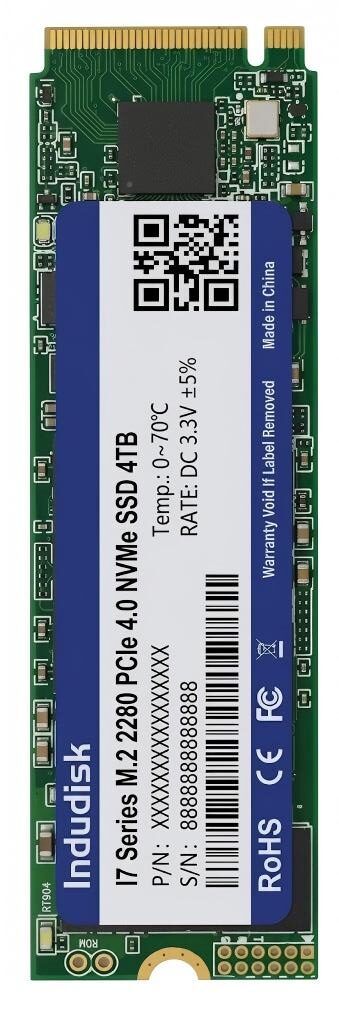
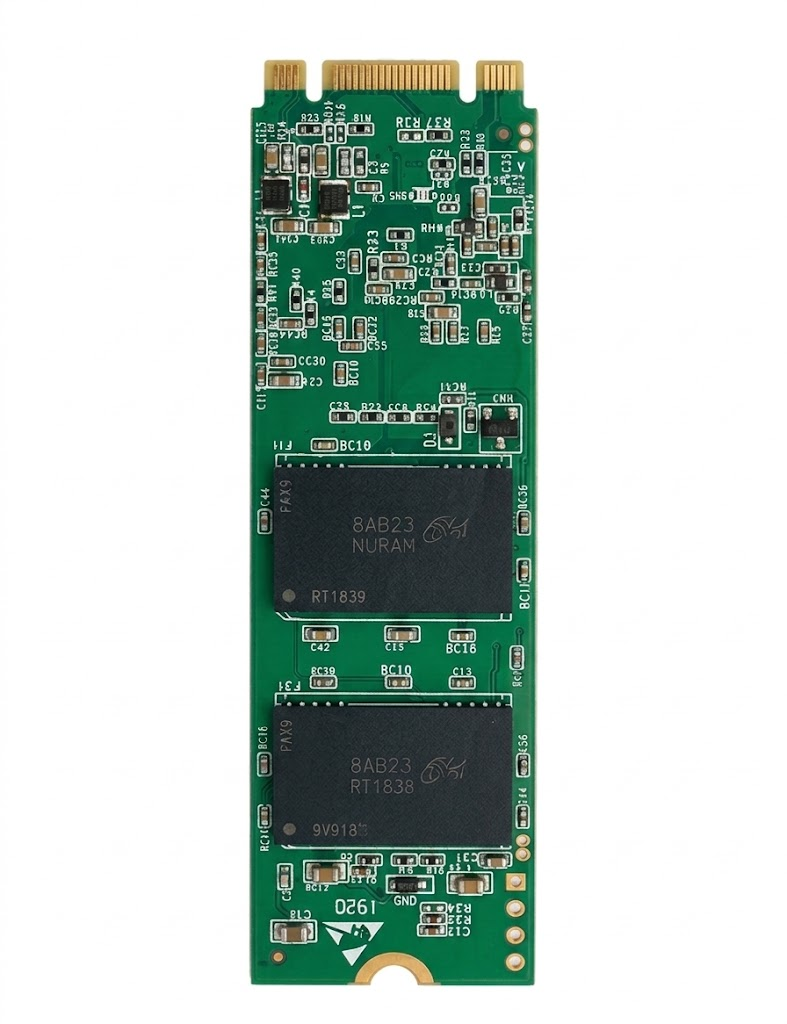
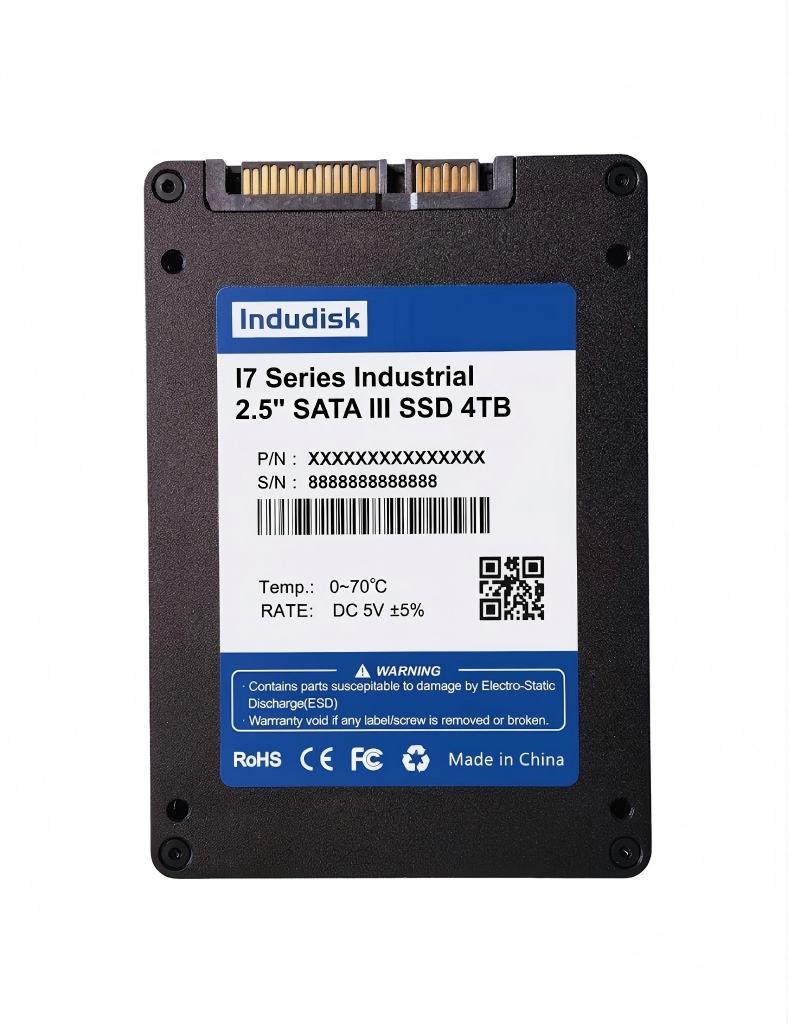
FAQ
An Industrial mSATA SSD is a compact solid-state drive designed for industrial and embedded applications that require reliable storage, stable performance, and long-term availability in a small form factor.
Unlike consumer mSATA SSDs, Industrial mSATA SSDs are designed with greater emphasis on endurance, data reliability, environmental tolerance, and long product lifecycle support. They use the mSATA interface to provide SATA-based storage in applications where space is limited.
mSATA and M.2 SATA SSDs both use the SATA storage interface, so their basic performance can be similar. The main differences are their physical form factor, connector design, dimensions, and system compatibility.
For industrial applications, the right choice mainly depends on the existing system design and available space.
| Feature | Industrial mSATA SSD | Industrial M.2 SATA SSD |
|---|---|---|
| Interface | SATA III | SATA III |
| Protocol | SATA | SATA |
| Form Factor | mSATA | M.2 |
| Typical Size | 50.8 × 29.8 mm | Various M.2 sizes |
| Connector | mSATA connector | M.2 connector |
| Performance | Similar SATA performance | Similar SATA performance |
| Compatibility | Systems with mSATA slot | Systems with M.2 SATA slot |
| Best For | Existing/legacy embedded platforms | Newer compact system designs |
| Upgrade Flexibility | More limited | More form-factor options |
1. Different Physical Form Factors
The most obvious difference is size and shape.
mSATA uses a standardized compact form factor that is commonly found in older embedded computers, industrial PCs, and legacy systems.
M.2 SATA uses the newer M.2 form factor and is available in different dimensions, such as M.2 2242 and M.2 2280, providing greater flexibility for system designers.
2. Different System Compatibility
This is the most important consideration.
An mSATA SSD requires an mSATA-compatible slot, while an M.2 SATA SSD requires an M.2 slot that specifically supports SATA.
An M.2 slot does not automatically support SATA. The host system must support M.2 SATA.
3. Similar SATA Performance
Both drives use the SATA protocol, so replacing an mSATA SSD with an M.2 SATA SSD does not automatically provide NVMe-level performance.
If your application requires substantially higher bandwidth and lower latency, an M.2 NVMe SSD using PCIe is generally a better choice—provided the host system supports NVMe.
4. Which One Should You Choose?
Choose an Industrial mSATA SSD when:
- Your existing industrial system has an mSATA slot
- You are maintaining a legacy embedded platform
- You need a compact SATA storage replacement
- System redesign is not practical
Choose an Industrial M.2 SATA SSD when:
- Your system has an M.2 SATA slot
- You are designing a newer compact industrial platform
- You want more M.2 form-factor options
- Space efficiency is important
In short: mSATA and M.2 SATA offer similar SATA-based storage performance, but they are not physically interchangeable. For industrial OEM projects, interface and host-system compatibility should be checked before selecting the SSD.
Yes. Industrial mSATA SSDs can be designed for continuous 24/7 operation in industrial and embedded applications. Compared with consumer storage, Industrial mSATA SSDs place greater emphasis on endurance, data reliability, thermal stability, and long-term availability.
For continuous operation, however, the SSD should be selected according to the actual workload and environmental conditions.
Key Factors for 24/7 Operation
1. NAND Flash Endurance
The NAND Flash type and SSD capacity affect how much data can be written over the drive’s service life. Write-intensive applications should use an SSD with an appropriate TBW or DWPD rating.
2. Advanced NAND Management
Technologies such as ECC, wear leveling, garbage collection, and bad block management help maintain data integrity and distribute write operations across NAND cells.
3. Operating Temperature
For industrial environments, wide-temperature versions can support operating ranges such as -40°C to +85°C, depending on the specific model.
4. Workload Requirements
An mSATA SSD used mainly for operating system storage and data reading generally experiences less NAND wear than one used for continuous video recording or high-volume data logging.
5. Power Protection
For systems where unexpected power loss is a concern, Power Failure Protection (PFP) or other power-loss protection features can help reduce the risk of data corruption.
6. Long-Term Product Support
For industrial equipment expected to operate for many years, controlled BOM management and long-term supply are also important parts of storage reliability.
Typical 24/7 Applications
Industrial mSATA SSDs can be used for continuous operation in:
- Industrial PCs
- Factory automation systems
- Embedded computers
- Transportation systems
- Medical equipment
- Surveillance systems
- IoT gateways
- Rugged computing platforms
How Long Can It Run 24/7?
There is no universal number of years. The actual service life depends primarily on daily write volume, NAND endurance, SSD capacity, temperature, and workload pattern.
For example, a drive used mainly for system booting and data reading may have a very different service life from one continuously recording high-resolution video.
For OEM applications, Indudisk can recommend an Industrial mSATA SSD based on your required capacity, daily write workload, operating temperature, endurance, and expected service life.
The operating temperature range of an Industrial mSATA SSD depends on the specific model and NAND Flash configuration. For industrial-grade versions, an extended operating temperature range of -40°C to +85°C is commonly offered.
This wide-temperature range makes Industrial mSATA SSDs suitable for applications exposed to significant temperature fluctuations, including outdoor equipment, transportation systems, industrial automation, and rugged embedded computers.
Why Wide Temperature Support Matters
Industrial environments can experience much wider temperature variations than office or consumer applications. An Industrial mSATA SSD with wide-temperature support helps maintain stable storage operation in:
- Industrial automation equipment
- Industrial PCs and embedded computers
- Transportation and railway systems
- Outdoor surveillance equipment
- Medical equipment
- Rugged computing platforms
- Defense and aerospace systems
Wide-Temperature Industrial mSATA SSD Features
A suitable Industrial mSATA SSD for harsh environments may include:
- -40°C to +85°C operating temperature
- Industrial-grade NAND Flash
- Advanced ECC and NAND management
- Wear leveling and bad block management
- Thermal monitoring
- Stable firmware for long-term operation
- Shock and vibration resistance
It is important to distinguish operating temperature from storage temperature. The actual temperature specifications should always be checked against the individual SSD datasheet.
For OEM applications, Indudisk can provide Industrial mSATA SSD configurations with different temperature grades, capacities, NAND Flash options, and endurance levels based on the required operating environment.
Yes. Indudisk provides long-term supply support for Industrial mSATA SSDs, making them suitable for OEMs, system integrators, and industrial equipment manufacturers that require stable storage products over multi-year project lifecycles.
How Indudisk Supports Long-Term Supply
- Controlled BOM Management — Helps maintain consistent product specifications and minimize unexpected component changes.
- Lifecycle Management — Components and product availability are monitored to support long-running industrial projects.
- Stable NAND Flash Sourcing — Carefully managed component sourcing helps maintain product consistency.
- Long-Term Product Support — Designed to reduce the risk of frequent SSD replacement or system redesign.
- OEM Customization — Firmware, NAND Flash, capacity, temperature range, and other configurations can be tailored to project requirements.
Why Long-Term Supply Matters
Industrial equipment can remain in service for many years. Replacing an SSD with a different model can require system validation, firmware testing, compatibility testing, or even hardware redesign.
For this reason, long-term availability is an important consideration when selecting an Industrial mSATA SSD—not just performance and capacity.
Indudisk Industrial mSATA SSD solutions are designed to support long-life embedded and industrial applications with reliable performance, controlled product configurations, and long-term supply support.
Yes. Industrial mSATA SSDs can be customized for specific OEM and system integration requirements. Indudisk provides flexible customization options for applications that require specific performance, endurance, temperature, firmware, or long-term supply characteristics.
What Can Be Customized?
Firmware Customization
Firmware can be optimized for specific workloads, operating systems, or application requirements.
NAND Flash Selection
Different NAND Flash configurations can be selected based on the required endurance, performance, capacity, and project lifecycle.
Capacity Configuration
Storage capacity can be selected according to system requirements, from small-capacity embedded storage to higher-capacity configurations.
Wide-Temperature Options
Industrial mSATA SSDs can be configured for extended temperature environments, such as -40°C to +85°C, depending on the product design.
Performance & Endurance Optimization
The SSD can be optimized for different workloads, including read-intensive applications, continuous data logging, and other 24/7 industrial workloads.
Power-Failure Protection
For applications where unexpected power loss is a concern, optional Power Failure Protection (PFP) can be considered.
Why Choose a Customized Industrial mSATA SSD?
Customization can help OEMs and system integrators achieve:
- Better application compatibility
- Appropriate endurance for the actual workload
- Optimized performance
- Longer product lifecycle
- Reduced system redesign risk
- More consistent long-term supply
For long-term industrial projects, customization is especially valuable because the SSD can be selected and configured around the system’s actual requirements rather than using a one-size-fits-all consumer drive.
Indudisk supports customized Industrial mSATA SSD solutions for embedded systems, industrial PCs, automation, transportation, medical, and other demanding applications. Contact our SSD specialists to discuss your capacity, workload, temperature, endurance, firmware, and long-term supply requirements.
SSD lifespan depends on NAND type, capacity, workload, write volume, and operating conditions. For industrial applications, endurance should be evaluated using workload-specific metrics such as TBW, DWPD, and expected service life.
Looking for a Reliable Industrial mSATA SSD?
Need a compact SATA storage solution for your embedded or industrial system?
Tell us about your application, host system, required capacity, operating temperature, and expected product lifecycle.