
Industrial CFast Card
Reliable Flash Storage Solution for Embedded Systems, Industrial PCs, and Mission-Critical Applications
Product Overview
Industrial CFast Card Overview
Indudisk Industrial CFast Card is a high-reliability flash storage solution designed for embedded systems, industrial computers, and applications requiring stable performance and long-term availability.
Based on the SATA interface, Industrial CFast Cards provide fast data access, compact form factor, and reliable operation for industrial environments.
CFast Card vs SD Card
| CFast Card | SD Card | ||
| Interface | SATA | SD | |
| Performance | Higher | Medium | |
| Reliability | Industrial | Consumer/Industrial | |
| Application | Embedded systems | General storage | |
CFast Card vs SD Card
| CFast Card | SSD | ||
| Size | Compact | Multiple formats | |
| Integration | Embedded devices | PCs / systems | |
| Capacity | Medium | Larger | |
Why Choose Indudisk Industrial CFast Card?
Industrial Storage Expertise
18+ years experience in industrial storage solutions.
Stable Long-Term Supply
Supporting OEM customers with controlled BOM and lifecycle management.
Custom Flash Solutions
Support Firmware /Hardware /Flash/Capacity/Function Customization
Key Features
Designed for reliability, engineered for industrial applications.
SATA Interface Compatibility
Designed with SATA interface technology, Industrial CFast Cards provide compatibility with embedded platforms and industrial systems.
Compact Embedded Storage Design
The compact CFast form factor enables easy integration into space-constrained industrial devices.
Industrial-Grade Reliability
Built with industrial NAND Flash and advanced firmware management to support stable operation in demanding environments.
High Endurance Performance
Optimized for industrial workloads including data logging, system storage, and continuous operation.
Wide Temperature Support
Industrial CFast Cards are available with extended temperature options for harsh operating environments.
Long Lifecycle Supply
Indudisk supports long-term product availability for OEM customers requiring stable supply throughout the equipment lifecycle.
Applications
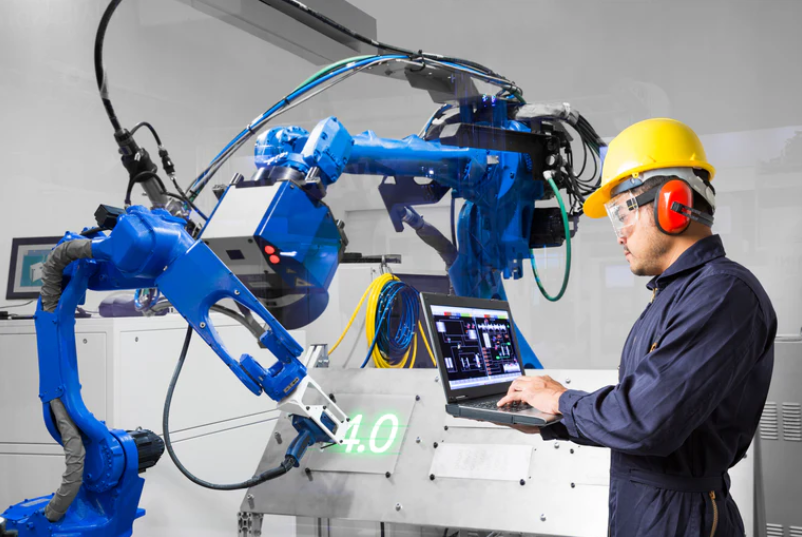
Industrial Automation | Embedded Systems | Transportation Systems


Technical Specifications
Industrial CFast Card Specifications
| Physical | |||||||
| Form Factor | CF Card | ||||||
| Interface | PATA | ||||||
| Size | 42.8×36.4×3.3 mm | ||||||
| Capcity | MLC:8GB~256GB SLC:8GB~64GB | ||||||
| Flash Type | MLC/SLC | ||||||
| Performance | |||||||
| Sequential Read/Write | 90/80MB/S | ||||||
| Random IOPS Read/Write(4K) | 70K/70K MB/S SLC:55K/60K | ||||||
| Access Time | <0.1ms | ||||||
| Electrical | |||||||
| Power Supply | 5V±5% | ||||||
| Power Consumption | Active: ≤2.0W Idle: ≤0.3W | ||||||
| Temperature | |||||||
| Operating Temperature | Industrial temp.: -20℃~+70℃Wide Temp.:-40℃~85℃ Extended Temp.:-55~+105℃ | ||||||
| Storage Temperature | (-55℃~+95℃) | ||||||
| Environmental | |||||||
| Vibration | 16.4G(Peak,10-2000Hz,x3 Axis,10minutes/Axis) | ||||||
| Shock(Operating) | 1500G(0.5ms,Half sine wave) | ||||||
| Humidity | 5%~95%(No Condensing) | ||||||
| Reliability | |||||||
| MTBF | 2,000,000 h | ||||||
| Data Retention(Max): | 10 Years@25℃ | ||||||
| Special Functions | |||||||
| Power Loss Protection(PLP) | √ | ||||||
| Conformal Coating | √ | ||||||
| Secure Erase | Physical Destruction option | ||||||
| TRIM | √ | ||||||
| S.M.A.R.T | √ | ||||||
FAQ
An Industrial SSD (Solid State Drive) is a high-reliability storage device specifically engineered for mission-critical applications operating in demanding environments. Unlike consumer SSDs, industrial SSDs are designed to deliver stable performance, extended product lifecycles, and reliable operation under continuous 24/7 workloads.
Industrial SSDs are widely used in industrial automation, embedded computing, transportation, medical equipment, defense systems, AI edge computing, surveillance, and networking, where system reliability and long-term availability are essential.
Built with industrial-grade NAND Flash, advanced firmware, and rigorous quality validation, industrial SSDs provide enhanced endurance, wide operating temperature support, power-loss protection, and advanced data integrity technologies to ensure dependable performance in harsh operating conditions.
| Feature | Industrial SSD | Consumer SSD |
|---|---|---|
| Designed For | Industrial & Embedded Systems | Personal Computers |
| Operating Hours | 24/7 Continuous Operation | Daily Consumer Use |
| Operating Temperature | -40°C to +85°C (model dependent) | Typically 0°C to +70°C |
| Long Lifecycle Supply | ✔ Yes | ✖ Limited |
| BOM Stability | ✔ Controlled | ✖ May Change Frequently |
| Power Loss Protection | Optional | Rare |
| Firmware Customization | ✔ Available | ✖ Not Available |
| OEM Support | ✔ Yes | ✖ No |
Industrial SSDs and consumer SSDs may appear similar—they both store data using NAND Flash memory. However, they are designed for entirely different operating environments and performance expectations.
Consumer SSDs are optimized for personal computers and everyday use, where cost and speed are the primary considerations. In contrast, Industrial SSDs are engineered for mission-critical systems that require continuous operation, long-term availability, and reliable performance under harsh environmental conditions.
For industrial automation, transportation, medical devices, defense systems, and embedded computing, choosing the right SSD is essential for maintaining system stability and reducing maintenance costs.
Industrial applications demand more than high-speed storage. They require dependable performance throughout the entire product lifecycle.Industrial SSDs offer several key advantages:
- 24/7 Reliable Operation for continuous industrial workloads
- Wide Temperature Support from -40°C to +85°C
- Long Lifecycle Supply with stable BOM management
- High Endurance for intensive read/write applications
- Advanced Data Protection including ECC, SMART monitoring, and optional Power Loss Protection
- OEM Firmware & Hardware Customization for application-specific requirements
These capabilities make Industrial SSDs the preferred storage solution for OEMs, system integrators, and equipment manufacturers developing mission-critical systems.
A Practical Guide to Selecting the Right Industrial SSD for Your Application
Choosing the right Industrial SSD is about more than capacity or performance. Industrial applications often operate in harsh environments where reliability, long-term availability, and data integrity are just as important as speed.
Whether you’re designing an industrial PC, embedded controller, transportation system, medical device, or AI edge platform, selecting the right SSD can improve system stability, reduce maintenance costs, and extend the lifecycle of your product.
Here are the key factors to consider when choosing an Industrial SSD.
1. Choose the Right Interface
The first step is selecting an interface that matches your system architecture and performance requirements.
| Interface | Best For |
|---|---|
| SATA SSD | Industrial PCs, embedded systems, medical equipment, legacy platforms |
| M.2 SATA SSD | Space-constrained embedded applications requiring SATA compatibility |
| NVMe SSD | AI edge computing, machine vision, high-performance industrial systems |
| mSATA SSD | Compact embedded controllers and industrial gateways |
| SATA DOM | Embedded boot drives for industrial motherboards and servers |
| CFast Card | Machine vision, transportation, and industrial imaging systems |
Tip: If your platform supports PCIe and demands high-speed data processing, NVMe SSDs are the preferred choice. For systems prioritizing compatibility and long-term stability, SATA SSDs remain an excellent solution.
2. Consider the Operating Environment
Industrial systems often operate in challenging conditions where consumer SSDs may not perform reliably.
Evaluate factors such as:
- Operating temperature range
- Shock and vibration resistance
- Continuous 24/7 operation
- Dust, humidity, and outdoor deployment
- Installation space and form factor
For harsh environments, choose SSDs that support wide temperature operation (-40°C to +85°C) and are designed specifically for industrial applications.
3. Select the Appropriate NAND Flash
The type of NAND Flash significantly impacts endurance, performance, and cost.
| NAND Type | Best For |
|---|---|
| SLC | Highest endurance and reliability for mission-critical systems |
| pSLC | Excellent endurance with balanced cost |
| 3D TLC | Industrial applications requiring higher capacity and performance |
| QLC | Read-intensive workloads and large-capacity storage |
Selecting the right NAND depends on your workload, expected write cycles, and lifecycle requirements.
4. Evaluate Reliability Features
Industrial SSDs should include technologies that protect both data and system stability.
Look for features such as:
- Power Loss Protection
- LDPC Error Correction
- SMART Health Monitoring
- Wear Leveling
- Bad Block Management
- TRIM Support
- AES-256 Encryption (Optional)
- Thermal Monitoring
These features help ensure long-term reliability and reduce the risk of unexpected system failures.
5. Plan for Long Lifecycle Supply
Unlike consumer electronics, industrial equipment often remains in service for many years.
Choose a supplier that offers:
- Stable Bill of Materials (BOM)
- Long-term product availability
- Controlled component changes
- Product lifecycle management
- Consistent firmware support
Long lifecycle planning helps minimize redesign costs and ensures consistent product performance throughout your project’s lifespan.
6. Consider Customization & Technical Support
Every industrial application has unique requirements.
An experienced Industrial SSD manufacturer should provide:
- Firmware customization
- Capacity optimization
- Security feature configuration
- Thermal optimization
- Engineering support
- OEM & ODM services
Working closely with your storage supplier can simplify system integration and improve long-term reliability.
Nomrally industrial ssds are designed for high reliability and performance operating in extreme environments while consumer SSDs are cost-effective storage for everyday us.The eKey differences include operating temperature ranges, durability, write endurance, and features like power loss protection and error correction.
Industrial SSDs are crafted for resilience in extreme environments, making them ideal for various demanding applications. They boast greater endurance and reliability than consumer SSDs, thanks to their rugged design and rugged components. Industrial SSDs have significantly higher reliability and endurance, with program/erase (P/E) cycles of around 3000 to100,000 compared to only about 1,000 for consumer SSDs. This allows industrial SSDs to handle heavy workloads for much longer before wearing out. Furthermore, they are designed to endure industrial temperatue and wide temperature ranges (from -40°C to 85°C, while consumer SSDs typically only support 0°C to 70°C).
Indudisk offers a comprehensive portfolio of Industrial SSD solutions, including NVMe SSDs, SATA SSDs, M.2 SSDs, mSATA SSDs, SATA DOM, and CFast Cards, designed for industrial automation, embedded computing, transportation, medical equipment, defense systems, and AI edge applications.
Our products combine:
- Industrial-Grade Reliability
- Long Lifecycle Supply
- Wide Temperature Operation
- Advanced Firmware Technologies
- OEM & ODM Customization
- Dedicated Engineering Support
Whether you’re developing a new embedded platform or upgrading an existing industrial system, our team can help you identify the storage solution that best fits your application.
Choose SATA SSDs when compatibility, cost-effectiveness, and long-term stability are your priorities. Choose NVMe SSDs for applications that require high throughput and low latency, such as AI edge computing, machine vision, and industrial data processing.
at approximately only 1,000 PE cycles per cell.
For demanding industrial environments, wide-temperature SSDs rated from -40°C to +85°C are typically recommended. Always verify the specifications of the selected model to ensure they match your application’s requirements.
Very important. Industrial equipment often remains in service for 5–10 years or more. Choosing an SSD with long lifecycle availability and stable component management helps reduce redesign costs, maintain system consistency, and simplify long-term maintenance.
Need a Customized Industrial CFast Card Solution?
Indudisk provides customized CFast Card solutions based on capacity, NAND Flash type, endurance requirements, temperature range, and application environment.